

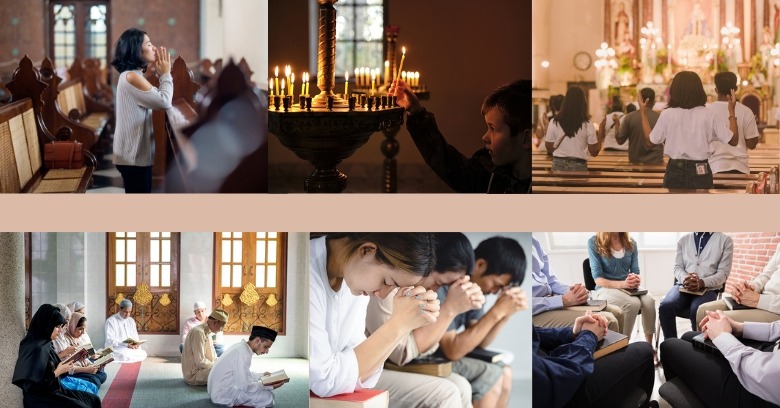
Asked to Look Into Property Insurance for Churches for a Congregation in Waller County Texas?
Service Insurance Group walks church leaders through the coverages that fit a congregation’s buildings, programs and people, and what questions the board may want to ask first.
Contact the team at 979-300-7345 to start with the questions your board has been discussing.
A Mix of Buildings, Volunteers and Gatherings – Beyond the Sunday Service
The risks of a place of worship come from its property, its people and its programs, each of which calls for attention when protection is arranged, because gaps tend to appear where a ministry grows beyond what was first described. Some standard forms exclude or limit things that churches do routinely, which keeps the terms matched to the ministry.
From the Roof to the Pews – Items That Need Special Attention
Property forms respond to damage from events such as fire, wind, hail and theft, and the amount that applies depends on how the buildings and contents are valued, and unusual features such as organs, stained glass and steeples deserve specific attention. Matching the form to an older building takes thought, and find out how values are set for older buildings.
Setting Limits That Reflect Reality – and How to Check It
Two common methods of valuation are replacement cost, which pays to rebuild with similar materials, and depreciated value, which subtracts for age and wear, and the difference can be significant, which can slow the drift between reviews. Coinsurance and similar conditions can reduce a payment if the limit is too low, so request an explanation in plain terms.
Liability for Gatherings and Grounds: Events, Parking Lots and Playgrounds
General liability responds when someone says they were hurt or their property was damaged because of the church’s premises or activities, such as a visitor who falls on a wet stair or a car damaged in the parking lot, and limits and exclusions determine how far the protection reaches. Outdoor and off-site activities deserve particular attention, since extra wording is sometimes needed.
Safeguarding Children and the Vulnerable – Not Only the Form
Allegations of abuse or misconduct involving children or other vulnerable people are among the most serious exposures a congregation faces, and standard liability forms often exclude them or limit what they pay, so screening, training and clear procedures for working with children matter greatly. The steps a church takes can influence the terms it is offered, and review it regularly with the leadership.
Where Volunteers Fit in a Church Program: Medical Payments and Accident Coverage
Greeters, teachers, drivers and kitchen helpers keep a congregation running, and the policy should say plainly whether these volunteers are treated as covered when they serve, which is a simple way to reduce uncertainty. Matching oversight to responsibility is good practice, since a thoughtful approach helps both safety and coverage.
When the Congregation Takes to the Road – and a Common Gap
The auto exposure of a congregation is often underestimated, since the vehicles are used only occasionally but carry people who matter a great deal, which is a gap that surprises many boards. Higher limits may deserve consideration for vehicles that carry groups, and review driver records before assigning volunteers.
Pastors, Custodians and Office Staff: An Unusual Rule in Texas
The employee side of church protection is separate from the liability side, and treating them as one is a common mistake, and some ministers are treated differently from other employees under certain rules. It is worth getting the classification right from the start, and update the list when positions change.
Directors and Officers in a Ministry Setting: Reading the Exclusions
Congregations of every size can face internal disputes, and the form is not limited to large churches, and it is often combined with coverage for employment practices. Bylaws, written procedures and good minutes make decisions easier to explain, and review the bylaws periodically.
When a Church Operates a Program for Children – and Documentation
Some forms exclude childcare operations unless an endorsement is added, which means the church should confirm that the program is named, which are the documents reviewers usually request. Rules and oversight for childcare vary, since the answers can influence the form.
Youth Events, Retreats and Service Projects – Planning Ahead
When a group leaves the church property for a mission trip, a retreat or a service project, the exposure changes, and the forms that apply at home may treat activities elsewhere differently, which supports both safety and any later discussion. A trip leader who has thought through the details is better prepared, since shared understanding avoids confusion.
Protecting Offerings and Accounts – Counting Money Together
Money given in faith deserves careful handling, and a congregation with sound financial practices is protecting both its funds and its reputation, and consider simple controls such as counting offerings with two people. Separation of duties is the cornerstone of good practice, which supports the review of any policy.
Take the Next Step Around Waller County Texas
Get in touch at 979-300-7345 with the questions your board has been asking.
What Reviewers Weigh When They Look at a Church: History and Habits
Safeguards such as screening, training and written procedures influence how the congregation is viewed, as does its history of past problems, and keep service records for heating and electrical systems. Affordability is a real concern for congregations on tight budgets, and decide where the congregation is willing to accept more of the risk itself.
Fewer Assets, Different Questions – Reading the Agreement
A congregation that rents a hall, shares a building or meets in a school does not carry the same property exposure as one that owns a sanctuary, but it still faces liability, equipment and personal property questions, so ask how a form treats items stored off site or moved between locations.
Comparing Providers and Proposals – Where Forms Differ Most
The most revealing comparison of Property Insurance for Churches looks at the sections that differ most from one form to another, such as misconduct protection, volunteer definitions, code upgrades and the treatment of events, and a lower total can reflect a narrower form. The questions a provider asks in return are often revealing, which is better than a rushed decision.
An Annual Review for Churches – and Aging Facilities
A congregation changes as it grows, adding a youth program, buying a van, building an addition or hiring staff, and each of these changes can leave an older policy behind, so keep a running list of changes and share it at each review.
When Property Insurance for Churches feels like a lot for a volunteer board in Waller County Texas, Service Insurance Group can break it into steps that make sense, and you can reach the team at 979-300-7345.
Verified

Verified
Verified
Verified
Verified