

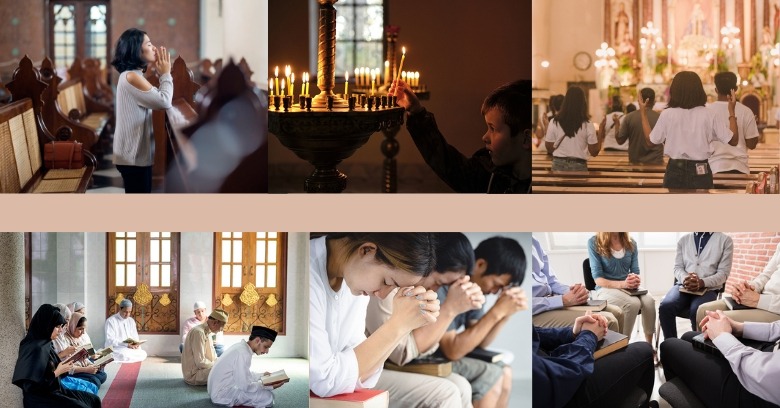
Asked to Look Into Texas Places of Worship Insurance in Waco Texas?
Service Insurance Group describes how policies for faith communities are put together and what each part is meant to do, and what questions the board may want to ask first.
Contact the team at 979-300-7345 and bring the policy or proposal you are puzzling over.
Why a Church Has Its Own Risk Profile: Why Ordinary Business Forms Miss Some of It
Few organizations bring together as many ages, as many volunteers and as many different uses of one property as a congregation does, and the way the parts fit together matters as much as each one. Some standard forms exclude or limit things that churches do routinely, and tell the person explaining the policy about new programs.
Protecting What the Congregation Has Built and Gathered – What Would Rebuilding Involve
Property forms respond to damage from events such as fire, wind, hail and theft, and the amount that applies depends on how the buildings and contents are valued, so list these items individually and ask how the form treats them. Some forms address the added expense of meeting code requirements and others do not, and keep records of renovations and improvements.
Replacement Cost and Real Value: Replacement Cost Versus Depreciated Value
The stated limit on the form is the ceiling for what will be paid, and if it is too low the congregation absorbs the difference, and note whether the form includes a feature that adjusts limits for inflation. Some forms include a penalty when the amount carried falls short of a stated share of the value, since a clear understanding helps everyone.
Liability for Gatherings and Grounds: Events, Parking Lots and Playgrounds
General liability responds when someone says they were hurt or their property was damaged because of the church’s premises or activities, such as a visitor who falls on a wet stair or a car damaged in the parking lot, because some programs are excluded or limited by endorsement. It is wise to tell the person explaining the policy about every regular event, since extra wording is sometimes needed.
Why Churches Look Closely at Misconduct Coverage: A Separate Coverage Many Forms Limit
This is a subject where congregations should understand what is and is not addressed, rather than assume that the general form handles it, and written policies, background checks and a two-adult practice are common elements. Reviewers often ask about the safeguards in place, which keeps it alive instead of filed away.
Volunteers and the People Who Serve: Medical Payments and Accident Coverage
A teacher, a greeter or a driver who serves without pay is still involved in the church’s activities, and the policy wording determines how that service is treated, because workers’ compensation usually applies to employees and not to volunteers. Someone who drives a van or works with children is in a different position from someone who stacks chairs, and review the list as ministries change.
When the Congregation Takes to the Road: Why Auto Is a Separate Topic
A church that owns a van or bus needs commercial auto coverage for it, and a church that uses members’ cars or rented vehicles faces a separate question about non-owned auto liability, because the people behind the wheel are the biggest factor in the risk. State law requires liability coverage on vehicles, since a serious crash with several passengers can exceed a basic limit.
Employees, Staff and Workers’ Compensation: Optional but Not Simple
Workers’ compensation is the system that pays medical costs and a share of lost wages when an employee is hurt on the job, and it applies to paid staff such as secretaries, custodians and ministry employees, because the decision affects the church’s exposure to injury lawsuits. Classification of staff is not always obvious, so keep a clear list of staff and their roles.
Directors and Officers in a Ministry Setting: Why Volunteer Leaders Care
A board member, elder or council member can be named personally when someone disputes a decision about staff, money or property, which is what management liability coverage is designed for, and it is often combined with coverage for employment practices. Clear governing documents help everyone, and review the bylaws periodically.
When a Church Operates a Program for Children: Ratios, Screening and Supervision
A church that runs a preschool, a daycare, a school or an after-school program takes on responsibilities that differ from those of a congregation that only holds services, and forms often treat such programs separately, and keep records of training and incident reports. The rules that apply to a church program may depend on its size and structure, so ask the proper authorities about requirements.
Mission Trips, Camps and Outings – Planning Ahead
When a group leaves the church property for a mission trip, a retreat or a service project, the exposure changes, and the forms that apply at home may treat activities elsewhere differently, and keep permission forms, emergency contacts and itineraries organized. Written procedures for supervision, transportation and emergencies help everyone, so assign clear responsibilities for each trip.
Money, Theft and Trust – Counting Money Together
Crime coverage, sometimes called fidelity or employee dishonesty coverage, is written for losses from theft of money and other property, including theft by those who hold positions of trust, which also protect the volunteers who handle the money. Separation of duties is the cornerstone of good practice, and adopt checks that fit the size of the congregation.
Questions From Board Members and Pastors for Local Churches
Phone 979-300-7345 to ask how these ideas apply to your buildings and programs.
Why Two Congregations See Different Terms – and Protective Measures
Reviewers look at roofs, wiring, heating and plumbing, as well as alarms and sprinklers, since well-maintained buildings with protective devices are easier to protect, because upgrades to roofs, wiring and alarms may be considered. Boards do best when they decide what must be protected first, since higher amounts paid first can reduce the bill but increase exposure.
Storefront Churches, Rented Halls and Home Groups: What Changes When You Rent
A congregation that rents a hall, shares a building or meets in a school does not carry the same property exposure as one that owns a sanctuary, but it still faces liability, equipment and personal property questions, and the equipment the group brings in deserves its own attention.
Asking the Same Questions of Everyone: Limits, Exclusions and Endorsements
With Texas Places of Worship Insurance in front of the board, a side-by-side chart of the same items for every proposal makes the real differences visible, which allows the board to check the wording itself. Experience with places of worship can help the explanation, which is better than a rushed decision.
Changes That Should Prompt a Review: A Simple Habit
The wording of a form reflects the congregation as it was described, and anything that changes should be reported so the form stays accurate, because small updates are easier than large corrections.
Service Insurance Group can talk with church leaders in Waco Texas about Texas Places of Worship Insurance, beginning with the buildings and ministries in front of you, so call 979-300-7345 to begin.
Verified

Verified
Verified
Verified