

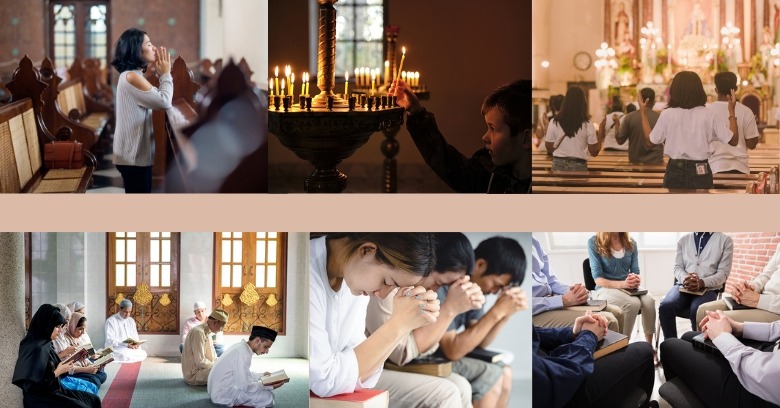
Responsible for a Place of Worship and Reading About General Liability Insurance for Places of Worship Around Greater Bryan-College Station Area?
Service Insurance Group describes how policies for faith communities are put together and what each part is meant to do, one topic at a time.
Contact the team at 979-300-7345 to ask how these pieces apply to a church like yours.
Understanding the Place of Worship Exposure: Many Activities Under One Roof
From youth trips to food pantries to weekday classes, a congregation does much more than hold services, and each activity adds something to the picture, because gaps tend to appear where a ministry grows beyond what was first described. Policies written for general businesses do not always anticipate these activities, so ask whether any regular activity is limited or excluded.
Buildings, Contents and Special Items: Fixtures, Furnishings and Equipment
Property forms respond to damage from events such as fire, wind, hail and theft, and the amount that applies depends on how the buildings and contents are valued, which is a step many boards put off for too long. The age of a structure affects the options and the terms, and find out how values are set for older buildings.
How Much Would It Take to Rebuild – and How to Check It
Two common methods of valuation are replacement cost, which pays to rebuild with similar materials, and depreciated value, which subtracts for age and wear, and the difference can be significant, because guessing is unreliable for structures of this kind. Coinsurance and similar conditions can reduce a payment if the limit is too low, so request an explanation in plain terms.
Visitors, Members and the Property – and What It Typically Includes
This coverage addresses third-party claims of injury or damage connected to the property and programs of the church, from the sanctuary to the playground, so ask how the form treats specific activities such as vehicles, events and athletics. It is wise to tell the person explaining the policy about every regular event, which keeps the form in step with the ministry.
Safeguarding Children and the Vulnerable: Screening and Policies Matter
This is a subject where congregations should understand what is and is not addressed, rather than assume that the general form handles it, and written policies, background checks and a two-adult practice are common elements. A congregation with documented procedures is easier to describe, and review it regularly with the leadership.
Helpers, Greeters and Teachers: Medical Payments and Accident Coverage
Volunteers do much of the work in a congregation, and a well-written form should make clear whether they are treated as covered people when they act on the church’s behalf, and clear written roles help in any later discussion. It is sensible to think about risk by role, which keeps the picture current.
The Auto Side of Ministry: Why Auto Is a Separate Topic
Vans and buses the church owns belong on a commercial auto form, while members’ cars and rented vehicles used for church trips raise a separate non-owned auto question, so many congregations adopt written driver policies. State law requires liability coverage on vehicles, and consider an umbrella layer above the auto limit.
Protection for Paid Staff: What Churches With Staff Should Know
A church with employees has the same questions about workplace injury as any employer, and the answers depend on how the staff are classified and what the law requires, which is a topic to discuss with a knowledgeable adviser. Ministers, contractors and part-time helpers may fall into different categories, since the answer affects several kinds of coverage.
When Leadership Choices Draw Questions: Reading the Exclusions
People who serve on a church board, council or eldership can face personal questions when someone disputes a decision about staff, property or finances, and management liability coverage is written for that situation, because a complaint by a staff member is one of the more common disputes. The record of how a decision was reached is often as important as the decision, since clarity helps prevent disputes.
Preschools, Childcare and Weekday Programs: Ratios, Screening and Supervision
Operating an education ministry means the church is providing care as well as worship, and the policy needs to reflect that difference, which are the documents reviewers usually request. Failing to follow regulations can complicate coverage, since the answers can influence the form.
Activities Away From the Property: Travel, Lodging and Transportation
Travel brings risks involving transportation, unfamiliar settings, lodging and activities the congregation does not usually do, and it is worth asking how the church’s forms respond, and keep permission forms, emergency contacts and itineraries organized. Simple steps taken before departure reduce problems, so assign clear responsibilities for each trip.
Protecting Offerings and Accounts: Controls Matter as Much as Coverage
Offerings, fundraising proceeds and bank accounts make a church a target for theft, including by someone trusted, and property and liability forms usually leave that exposure to a crime policy, so ask what the form requires and what it excludes. Controls are easier to adopt before there is a problem, which supports the review of any policy.
Ready to Talk Through Your Congregation’s Needs for Local Churches
Call 979-300-7345 and describe what your church does in a typical week.
The Factors Behind the Price Without the Numbers: History and Habits
Beyond the property, the activities of the church matter a great deal, since childcare, a school or a large number of vehicles change the picture, and keep service records for heating and electrical systems. The goal should be sound protection at a sensible level and not simply the smallest bill, so rank the exposures from most serious to least.
Meeting Wherever There Is Room – Reading the Agreement
Smaller groups may own only a sound system, chairs and supplies, yet losing those can be hard on a young congregation, because portable equipment is treated differently from fixed property.
The Details That Separate One Church Program From Another: Misconduct, Vehicles and Volunteers
With General Liability Insurance for Places of Worship in front of the board, a side-by-side chart of the same items for every proposal makes the real differences visible, which allows the board to check the wording itself. Experience with places of worship can help the explanation, and take the time the board needs.
An Annual Review for Churches – and Aging Facilities
Every new program, vehicle, building project or staff hire changes what a church needs, and a policy written before the change can quietly fall behind, and put the review on the board’s calendar each year.
If you are working through General Liability Insurance for Places of Worship in Greater Bryan-College Station Area, Service Insurance Group can explain how a congregation’s property, liability, volunteers and vehicles fit together and what questions to ask at each point, and the number to call is 979-300-7345.