

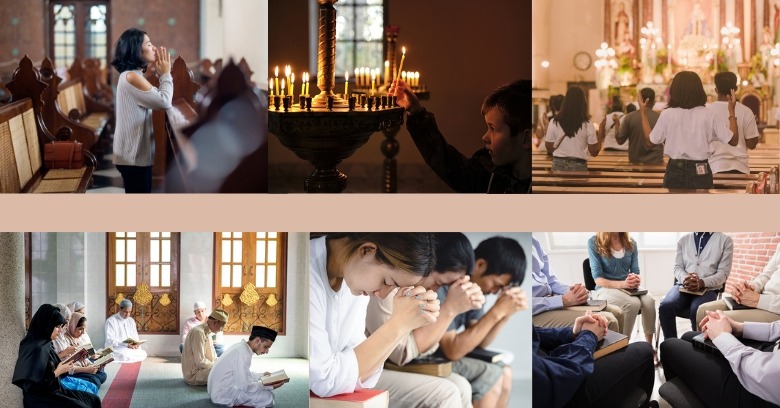
Responsible for a Place of Worship and Reading About Church Insurance Around College Station Texas?
Service Insurance Group explains the protection a house of worship relies on, from the building to the volunteers who keep it running, and what questions the board may want to ask first.
Dial 979-300-7345 and bring the policy or proposal you are puzzling over.
Understanding the Place of Worship Exposure: Children, Vehicles and Events
From youth trips to food pantries to weekday classes, a congregation does much more than hold services, and each activity adds something to the picture, and the way the parts fit together matters as much as each one. A form that fits an office may leave a ministry out, and tell the person explaining the policy about new programs.
Protecting What the Congregation Has Built and Gathered: Valuing Older and Unusual Structures
Coverage on church property includes the worship space, classrooms, halls and other buildings along with what fills them, from folding tables and kitchen equipment to sound gear and storage, so list these items individually and ask how the form treats them. Some forms address the added expense of meeting code requirements and others do not, which helps keep the valuation accurate.
Matching the Number to the Building: Replacement Cost Versus Depreciated Value
A property limit is only useful if it reflects what rebuilding would actually take, and construction costs change over time, so a figure set years ago may no longer be adequate, and note whether the form includes a feature that adjusts limits for inflation. The wording is technical, but the effect is practical, and have the board review the answer together.
Protection When Someone Is Hurt at Church – and What It Typically Includes
Most of the accidents a church faces are ordinary ones, and general liability is aimed at precisely these, so ask how the form treats specific activities such as vehicles, events and athletics. A form may handle events at the church differently from events elsewhere, and review the list whenever a new program begins.
Why Churches Look Closely at Misconduct Coverage: Screening and Policies Matter
Because accusations involving children or vulnerable people are so serious, many liability forms exclude them or set a low sublimit, and a separate form or endorsement is often used, because prevention is the first line of defense. The steps a church takes can influence the terms it is offered, so gather whatever policies exist before asking for terms.
The Question of Who Counts as a Member of the Team – and What If They Are Hurt
A teacher, a greeter or a driver who serves without pay is still involved in the church’s activities, and the policy wording determines how that service is treated, so ask whether injuries to those serving are considered and how. Someone who drives a van or works with children is in a different position from someone who stacks chairs, and review the list as ministries change.
When the Congregation Takes to the Road – Who Is Responsible
Vehicle use by a congregation includes owned vans, rented buses for trips and personal cars used for errands, each of which is treated differently, because the people behind the wheel are the biggest factor in the risk. Texas sets a minimum, and the church should understand how that minimum compares with its needs, so ask about limits that reflect the number of riders.
Protection for Paid Staff – and a Choice for the Employer
Staff members who work with their hands, such as maintenance workers, face the highest risk of injury, while office employees face less, because the decision affects the church’s exposure to injury lawsuits. The wrong category can cause problems later, so keep a clear list of staff and their roles.
When Leadership Choices Draw Questions – Not Just Large Churches
Congregations of every size can face internal disputes, and the form is not limited to large churches, which is where forms differ the most. Leadership benefits from habits that create a clear trail, and review the bylaws periodically.
Ministries That Serve Children Beyond Sundays – and Documentation
Running a preschool, daycare or after-school program means the church is providing care, not only worship, and many forms treat such operations as a separate and more closely examined exposure, which are the documents reviewers usually request. The rules that apply to a church program may depend on its size and structure, and tell the person explaining the policy what was learned.
Youth Events, Retreats and Service Projects: Waivers, Records and Permission Forms
Trips outside the country raise further questions, because some forms limit protection to certain places or require special arrangements, and keep permission forms, emergency contacts and itineraries organized. Considering what could go wrong is part of planning, so assign clear responsibilities for each trip.
Crime and Employee Dishonesty Coverage: Controls Matter as Much as Coverage
Churches handle offerings, tithes, fundraising proceeds and bank accounts, and theft or misuse of those funds, including by a trusted insider, is a recognized exposure that property and liability forms usually do not address, so ask what the form requires and what it excludes. Separation of duties is the cornerstone of good practice, and keep records of the procedures.
Start With Your Weekly Calendar for College Station Texas Congregations
Contact the team at 979-300-7345 to ask how these ideas apply to your buildings and programs.
Why Two Congregations See Different Terms: Building Age, Size and Programs
Reviewers look at roofs, wiring, heating and plumbing, as well as alarms and sprinklers, since well-maintained buildings with protective devices are easier to protect, because upgrades to roofs, wiring and alarms may be considered. Affordability is a real concern for congregations on tight budgets, which keeps the choices deliberate.
Fewer Assets, Different Questions: Protecting Equipment and Liability
Smaller groups may own only a sound system, chairs and supplies, yet losing those can be hard on a young congregation, which helps the form meet the landlord’s requirements.
How to Read Offers Side by Side: Limits, Exclusions and Endorsements
When comparing Church Insurance, ask every provider the same questions about property valuation, liability limits, misconduct sublimits, vehicle coverage and how volunteers are treated, and ask for the complete documents instead of summaries. Asking about familiarity with ministry operations is reasonable, and take the time the board needs.
Keeping Pace With New Programs – and Aging Facilities
Every new program, vehicle, building project or staff hire changes what a church needs, and a policy written before the change can quietly fall behind, and ask what each change does to the terms.
When Church Insurance feels like a lot for a volunteer board in College Station Texas, Service Insurance Group can break it into steps that make sense, and the line is 979-300-7345.
Verified

Verified
Verified
Verified
Verified