

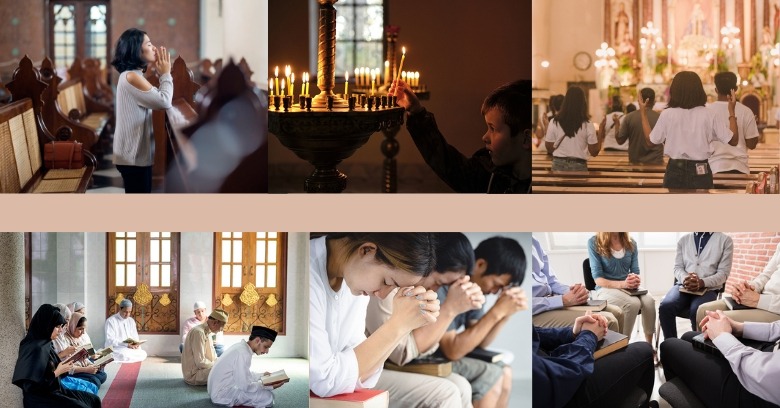
Responsible for a Place of Worship and Reading About Church General Liability Insurance for a Congregation in Bryan Texas?
Service Insurance Group lays out what a church should understand about its property, its activities and its responsibilities, one topic at a time.
Dial 979-300-7345 and describe the buildings and ministries you oversee.
Understanding the Place of Worship Exposure: Children, Vehicles and Events
The risks of a place of worship come from its property, its people and its programs, each of which calls for attention when protection is arranged, which helps the conversation reflect real life instead of a guess. Programs for children and community events are the areas most often affected, and keep the calendar handy while reading the form.
Property Coverage for Sanctuaries and Fellowship Halls: Fixtures, Furnishings and Equipment
Many congregations own several buildings of different ages, each of which may need its own look at value, and unusual features such as organs, stained glass and steeples deserve specific attention. Some forms address the added expense of meeting code requirements and others do not, which helps keep the valuation accurate.
Matching the Number to the Building: Periodic Updates Keep It Honest
Two common methods of valuation are replacement cost, which pays to rebuild with similar materials, and depreciated value, which subtracts for age and wear, and the difference can be significant, and consider an appraisal or a professional estimate for the main buildings. Coinsurance and similar conditions can reduce a payment if the limit is too low, and keep the explanation with the policy.
Protection When Someone Is Hurt at Church – Where Accidents Happen
If a guest slips on a wet stair, trips on a curb or has a car scratched in the lot, general liability is the form meant to respond for the congregation, because some programs are excluded or limited by endorsement. It is wise to tell the person explaining the policy about every regular event, since extra wording is sometimes needed.
Safeguarding Children and the Vulnerable: Building a Culture of Care
This is a subject where congregations should understand what is and is not addressed, rather than assume that the general form handles it, and written policies, background checks and a two-adult practice are common elements. Having written policies ready makes the discussion smoother, and review it regularly with the leadership.
Volunteers and the People Who Serve – and What If They Are Hurt
Volunteers do much of the work in a congregation, and a well-written form should make clear whether they are treated as covered people when they act on the church’s behalf, because workers’ compensation usually applies to employees and not to volunteers. Matching oversight to responsibility is good practice, and apply stricter steps to the higher-risk ones.
Transporting Members and Youth: Why Auto Is a Separate Topic
Transporting children, seniors or volunteers puts people in vehicles on public roads, and the form protecting the church against demands from a crash is written specifically for auto exposure, because the people behind the wheel are the biggest factor in the risk. A legal minimum is a floor rather than a target, which is a practical step as well as a policy matter.
The Employee Side of a Congregation: Optional but Not Simple
The employee side of church protection is separate from the liability side, and treating them as one is a common mistake, and some ministers are treated differently from other employees under certain rules. It is worth getting the classification right from the start, and ask an adviser how each is classified.
Protection for People Who Make the Decisions – and What Is Typically Included
Volunteer leaders often serve without realizing they may be named personally, which is one reason many boards ask whether any protection exists for them, so ask whether the form includes employment-related allegations. Bylaws, written procedures and good minutes make decisions easier to explain, and ask whether the form responds to the church’s own governing structure.
Ministries That Serve Children Beyond Sundays: Ratios, Screening and Supervision
Running a preschool, daycare or after-school program means the church is providing care, not only worship, and many forms treat such operations as a separate and more closely examined exposure, which are the documents reviewers usually request. The rules that apply to a church program may depend on its size and structure, which makes the file complete.
Activities Away From the Property: Travel, Lodging and Transportation
Mission trips, camps and retreats move the activity away from the building, and the protection that applies at home may not extend the same way to a different place, and travel medical protection may be a separate arrangement. Simple steps taken before departure reduce problems, and review the plan with the church leadership.
When Someone Takes What Was Given in Faith: Controls Matter as Much as Coverage
Churches handle offerings, tithes, fundraising proceeds and bank accounts, and theft or misuse of those funds, including by a trusted insider, is a recognized exposure that property and liability forms usually do not address, and policies often attach conditions about how funds are handled. Separation of duties is the cornerstone of good practice, which supports the review of any policy.
Questions From Board Members and Pastors for Local Churches
Call 979-300-7345 to begin with the proposal or policy on your desk.
What Reviewers Weigh When They Look at a Church – and Protective Measures
What a congregation is offered depends on its building age and condition, its size, its programs, its vehicles, its safeguards and how it has fared in the past, which show that the buildings are looked after. Affordability is a real concern for congregations on tight budgets, and decide where the congregation is willing to accept more of the risk itself.
When the Congregation Does Not Own a Building – Reading the Agreement
A congregation that rents a hall, shares a building or meets in a school does not carry the same property exposure as one that owns a sanctuary, but it still faces liability, equipment and personal property questions, which helps the form meet the landlord’s requirements.
The Details That Separate One Church Program From Another – Three Items to Line Up
When comparing Church General Liability Insurance, ask every provider the same questions about property valuation, liability limits, misconduct sublimits, vehicle coverage and how volunteers are treated, so compare like with like for each provider. Some specialize in congregations and some serve many types of customers, and ask for plain explanations of anything unclear.
A Policy Is a Snapshot of the Congregation: Update the List Each Year
Every new program, vehicle, building project or staff hire changes what a church needs, and a policy written before the change can quietly fall behind, so keep a running list of changes and share it at each review.
If you are working through Church General Liability Insurance in Bryan Texas, Service Insurance Group can explain how a congregation’s property, liability, volunteers and vehicles fit together and what questions to ask at each point, and you can reach the team at 979-300-7345.
Verified

Verified
Verified
Verified