

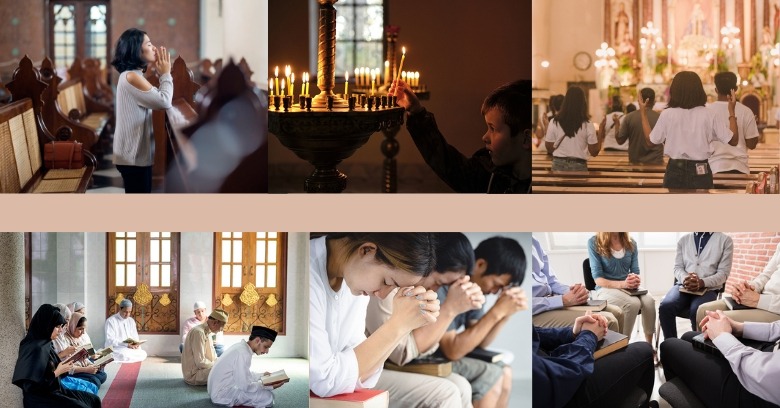
Helping Your Congregation Understand Property Insurance for Churches Near Brenham Texas?
Service Insurance Group puts the vocabulary of congregation coverage into plain words for pastors, boards and treasurers, so decisions can be made with confidence.
Call 979-300-7345 and describe the buildings and ministries you oversee.
What Makes a Congregation Different From Other Organizations: Many Activities Under One Roof
Between a big building used only part of the week, programs for every age group, volunteers who serve freely and a packed calendar, a congregation has a mix of exposures few other groups share, so the best starting point is an honest list of everything the congregation does. Some standard forms exclude or limit things that churches do routinely, so ask whether any regular activity is limited or excluded.
Property Coverage for Sanctuaries and Fellowship Halls – Items That Need Special Attention
Coverage on church property includes the worship space, classrooms, halls and other buildings along with what fills them, from folding tables and kitchen equipment to sound gear and storage, and an appraisal can help when values are uncertain. Older buildings raise a particular question, which helps keep the valuation accurate.
Replacement Cost and Real Value – a Key Distinction
Limits on church buildings need to track what it would really take to rebuild, and since materials and labor change over the years, a number chosen long ago can fall well short, and consider an appraisal or a professional estimate for the main buildings. Some forms include a penalty when the amount carried falls short of a stated share of the value, and have the board review the answer together.
Slips, Falls and Everyday Accidents: Reading the Fine Print on Activities
This coverage addresses third-party claims of injury or damage connected to the property and programs of the church, from the sanctuary to the playground, and limits and exclusions determine how far the protection reaches. A form may handle events at the church differently from events elsewhere, so keep a running list of events and share it.
Liability Tied to the Care of Minors – Reading the Sublimit
This is a subject where congregations should understand what is and is not addressed, rather than assume that the general form handles it, and written policies, background checks and a two-adult practice are common elements. The steps a church takes can influence the terms it is offered, and consider adopting a written approach if none exists.
The Question of Who Counts as a Member of the Team – Different Things
A teacher, a greeter or a driver who serves without pay is still involved in the church’s activities, and the policy wording determines how that service is treated, and clear written roles help in any later discussion. Someone who drives a van or works with children is in a different position from someone who stacks chairs, since a thoughtful approach helps both safety and coverage.
When the Congregation Takes to the Road – and a Common Gap
A church that owns a van or bus needs commercial auto coverage for it, and a church that uses members’ cars or rented vehicles faces a separate question about non-owned auto liability, and driver selection, training and records are part of the picture. Carrying many passengers raises the potential size of a demand, so ask about limits that reflect the number of riders.
The Employee Side of a Congregation – Weighing the Decision
Workers’ compensation is the system that pays medical costs and a share of lost wages when an employee is hurt on the job, and it applies to paid staff such as secretaries, custodians and ministry employees, and some ministers are treated differently from other employees under certain rules. Careful records of who does what help in any discussion, and ask an adviser how each is classified.
Boards, Elders and Governing Bodies – and What Is Typically Included
People who serve on a church board, council or eldership can face personal questions when someone disputes a decision about staff, property or finances, and management liability coverage is written for that situation, because a complaint by a staff member is one of the more common disputes. Bylaws, written procedures and good minutes make decisions easier to explain, so keep minutes and policies organized and accessible.
When a Church Operates a Program for Children: Why They Change the Picture
Operating an education ministry means the church is providing care as well as worship, and the policy needs to reflect that difference, which are the documents reviewers usually request. Failing to follow regulations can complicate coverage, which makes the file complete.
Activities Away From the Property: Travel, Lodging and Transportation
When a group leaves the church property for a mission trip, a retreat or a service project, the exposure changes, and the forms that apply at home may treat activities elsewhere differently, and keep permission forms, emergency contacts and itineraries organized. Simple steps taken before departure reduce problems, since shared understanding avoids confusion.
Protecting Offerings and Accounts: Controls Matter as Much as Coverage
Crime coverage, sometimes called fidelity or employee dishonesty coverage, is written for losses from theft of money and other property, including theft by those who hold positions of trust, because some forms limit payment if certain procedures were not followed. Regular review of statements by someone other than the bookkeeper catches problems, so review how money moves through the church.
Ready to Talk Through Your Congregation’s Needs for Local Churches
Phone 979-300-7345 to ask how these ideas apply to your buildings and programs.
Why Two Congregations See Different Terms: History and Habits
What a congregation is offered depends on its building age and condition, its size, its programs, its vehicles, its safeguards and how it has fared in the past, so the way to improve the picture is through maintenance and good habits. The goal should be sound protection at a sensible level and not simply the smallest bill, since higher amounts paid first can reduce the bill but increase exposure.
When the Congregation Does Not Own a Building – and What Does Not
Leases for space often require tenants to carry liability coverage and to name the landlord as an additional party, so the agreement should be read closely before anything is signed, so ask how a form treats items stored off site or moved between locations.
Asking the Same Questions of Everyone – Three Items to Line Up
Put identical questions to each provider about Property Insurance for Churches, covering property valuation, liability limits, misconduct sublimits, vehicles and the treatment of volunteers, and a lower total can reflect a narrower form. The questions a provider asks in return are often revealing, and take the time the board needs.
Keeping Pace With New Programs: New Staff, New Buildings, New Ministries
The wording of a form reflects the congregation as it was described, and anything that changes should be reported so the form stays accurate, so keep a running list of changes and share it at each review.
Congregations in Brenham Texas that want Property Insurance for Churches explained in plain words can start the conversation with Service Insurance Group, and the number to call is 979-300-7345.
Verified

Verified
Verified
Verified