

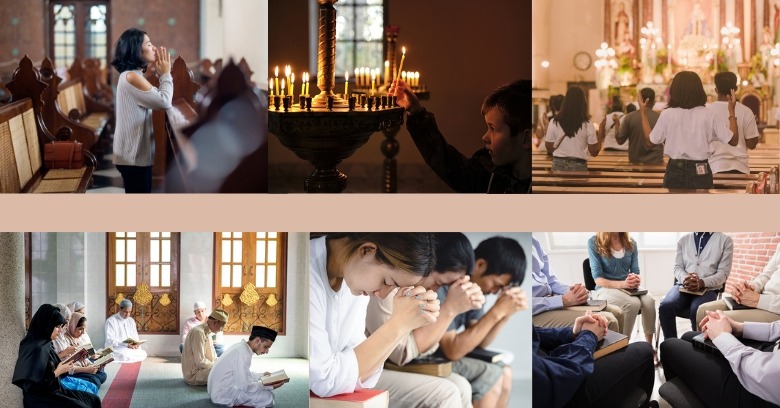
On a Church Board and Sorting Out Texas Places of Worship Insurance Around Brazos County?
Service Insurance Group describes how policies for faith communities are put together and what each part is meant to do, and what questions the board may want to ask first.
Contact the team at 979-300-7345 to ask how these pieces apply to a church like yours.
Why a Church Has Its Own Risk Profile: Why Ordinary Business Forms Miss Some of It
The risks of a place of worship come from its property, its people and its programs, each of which calls for attention when protection is arranged, which helps the conversation reflect real life instead of a guess. Policies written for general businesses do not always anticipate these activities, so ask whether any regular activity is limited or excluded.
Buildings, Contents and Special Items: Valuing Older and Unusual Structures
The physical side of a congregation’s protection covers structures and their contents, which often include pews, kitchens, instruments, audio equipment and storage rooms, and unusual features such as organs, stained glass and steeples deserve specific attention. Some forms address the added expense of meeting code requirements and others do not, so ask whether code upgrades are part of the form.
Setting Limits That Reflect Reality: Periodic Updates Keep It Honest
The stated limit on the form is the ceiling for what will be paid, and if it is too low the congregation absorbs the difference, which can slow the drift between reviews. Coinsurance and similar conditions can reduce a payment if the limit is too low, and have the board review the answer together.
Liability for Gatherings and Grounds – and What It Typically Includes
Most of the accidents a church faces are ordinary ones, and general liability is aimed at precisely these, so ask how the form treats specific activities such as vehicles, events and athletics. Outdoor and off-site activities deserve particular attention, since extra wording is sometimes needed.
Abuse and Misconduct Protection: A Separate Coverage Many Forms Limit
A separate form or an endorsement is commonly used to address abuse and molestation liability, and the limit available for it is often lower than the main liability limit, so screening, training and clear procedures for working with children matter greatly. The steps a church takes can influence the terms it is offered, and consider adopting a written approach if none exists.
Helpers, Greeters and Teachers – Different Things
Greeters, teachers, drivers and kitchen helpers keep a congregation running, and the policy should say plainly whether these volunteers are treated as covered when they serve, and clear written roles help in any later discussion. Matching oversight to responsibility is good practice, and apply stricter steps to the higher-risk ones.
Transporting Members and Youth: Non-Owned Vehicles Count Too
The auto exposure of a congregation is often underestimated, since the vehicles are used only occasionally but carry people who matter a great deal, because the people behind the wheel are the biggest factor in the risk. Texas sets a minimum, and the church should understand how that minimum compares with its needs, and review driver records before assigning volunteers.
Pastors, Custodians and Office Staff: An Unusual Rule in Texas
The employee side of church protection is separate from the liability side, and treating them as one is a common mistake, which is a topic to discuss with a knowledgeable adviser. The wrong category can cause problems later, and ask an adviser how each is classified.
Management Liability for Congregations – and What Is Typically Included
People who serve on a church board, council or eldership can face personal questions when someone disputes a decision about staff, property or finances, and management liability coverage is written for that situation, and it is often combined with coverage for employment practices. Bylaws, written procedures and good minutes make decisions easier to explain, since clarity helps prevent disputes.
When a Church Operates a Program for Children – and Documentation
Running a preschool, daycare or after-school program means the church is providing care, not only worship, and many forms treat such operations as a separate and more closely examined exposure, and how the program is run matters to the terms. Failing to follow regulations can complicate coverage, which makes the file complete.
Beyond the Church Walls – Planning Ahead
Travel brings risks involving transportation, unfamiliar settings, lodging and activities the congregation does not usually do, and it is worth asking how the church’s forms respond, and travel medical protection may be a separate arrangement. Planning is the best protection for any trip, and tell the person explaining the policy about the plans.
Protecting Offerings and Accounts: Limits and Conditions to Read
Offerings, fundraising proceeds and bank accounts make a church a target for theft, including by someone trusted, and property and liability forms usually leave that exposure to a crime policy, so ask what the form requires and what it excludes. Written procedures make the process routine, and adopt checks that fit the size of the congregation.
Start With Your Weekly Calendar Near Brazos County
Call 979-300-7345 and describe what your church does in a typical week.
What Reviewers Weigh When They Look at a Church: History and Habits
Safeguards such as screening, training and written procedures influence how the congregation is viewed, as does its history of past problems, so the way to improve the picture is through maintenance and good habits. Cutting the wrong item to save money can be expensive later, which keeps the choices deliberate.
Storefront Churches, Rented Halls and Home Groups – and What Does Not
A congregation that rents a hall, shares a building or meets in a school does not carry the same property exposure as one that owns a sanctuary, but it still faces liability, equipment and personal property questions, and share the lease terms with whoever explains the options.
Asking the Same Questions of Everyone – Three Items to Line Up
When comparing Texas Places of Worship Insurance, ask every provider the same questions about property valuation, liability limits, misconduct sublimits, vehicle coverage and how volunteers are treated, so compare like with like for each provider. Experience with places of worship can help the explanation, so notice whether the questions reflect an understanding of church life.
A Policy Is a Snapshot of the Congregation – Before the Term Ends
The wording of a form reflects the congregation as it was described, and anything that changes should be reported so the form stays accurate, because small updates are easier than large corrections.
For pastors and boards around Brazos County weighing Texas Places of Worship Insurance, Service Insurance Group is available to walk through the pieces and help organize what to compare, so call 979-300-7345 to begin.
Verified

Verified
Verified
Verified
Verified