

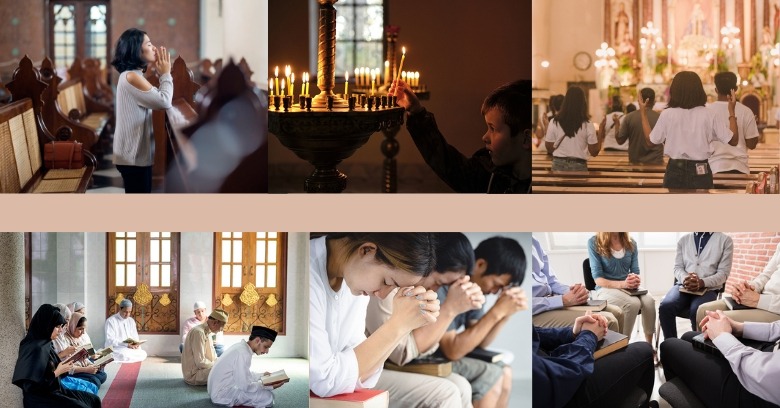
Helping Your Congregation Understand Insurance For Churches in Texas Near Brazos County?
Service Insurance Group explains the protection a house of worship relies on, from the building to the volunteers who keep it running, with attention to the ministries that raise their own concerns.
Get in touch at 979-300-7345 to start with the questions your board has been discussing.
A Mix of Buildings, Volunteers and Gatherings: Many Activities Under One Roof
The risks of a place of worship come from its property, its people and its programs, each of which calls for attention when protection is arranged, which is why coverage for a church is usually built from several parts. Some standard forms exclude or limit things that churches do routinely, and keep the calendar handy while reading the form.
Property Coverage for Sanctuaries and Fellowship Halls – Items That Need Special Attention
Coverage on church property includes the worship space, classrooms, halls and other buildings along with what fills them, from folding tables and kitchen equipment to sound gear and storage, because ordinary valuation methods may not reflect what it would take to replace them. The age of a structure affects the options and the terms, and keep records of renovations and improvements.
The Valuation Question for Aging Buildings: Periodic Updates Keep It Honest
Limits on church buildings need to track what it would really take to rebuild, and since materials and labor change over the years, a number chosen long ago can fall well short, which can slow the drift between reviews. Asking about it avoids an unpleasant surprise, which supports future decisions.
Liability for Gatherings and Grounds: The Core Form for a House of Worship
If a guest slips on a wet stair, trips on a curb or has a car scratched in the lot, general liability is the form meant to respond for the congregation, which is the best way to find a gap before it matters. Outdoor and off-site activities deserve particular attention, and ask whether any activity requires an endorsement.
Safeguarding Children and the Vulnerable: Screening and Policies Matter
Because the stakes are so high, boards pay close attention to the exact wording of any protection for misconduct allegations and to the sublimits attached to it, so screening, training and clear procedures for working with children matter greatly. Having written policies ready makes the discussion smoother, which keeps it alive instead of filed away.
The Question of Who Counts as a Member of the Team: Are They Included in the Form
Greeters, teachers, drivers and kitchen helpers keep a congregation running, and the policy should say plainly whether these volunteers are treated as covered when they serve, which is a simple way to reduce uncertainty. Matching oversight to responsibility is good practice, since a thoughtful approach helps both safety and coverage.
The Auto Side of Ministry – and a Common Gap
Vehicle use by a congregation includes owned vans, rented buses for trips and personal cars used for errands, each of which is treated differently, so many congregations adopt written driver policies. A legal minimum is a floor rather than a target, and consider an umbrella layer above the auto limit.
When Someone on Payroll Is Hurt at Work: What Churches With Staff Should Know
For paid staff such as office workers, custodians and program employees, workers’ compensation is the system that handles medical care and lost wages after a workplace injury, because the decision affects the church’s exposure to injury lawsuits. Careful records of who does what help in any discussion, since the answer affects several kinds of coverage.
When Leadership Choices Draw Questions – Not Just Large Churches
Volunteer leaders often serve without realizing they may be named personally, which is one reason many boards ask whether any protection exists for them, so ask whether the form includes employment-related allegations. A church that documents its process is better prepared for questions, and ask whether the form responds to the church’s own governing structure.
When a Church Operates a Program for Children – and Documentation
Running a preschool, daycare or after-school program means the church is providing care, not only worship, and many forms treat such operations as a separate and more closely examined exposure, and how the program is run matters to the terms. Compliance with these rules is the responsibility of the church, and keep copies of any approvals.
Beyond the Church Walls: Where Protection May Not Follow
Youth events and service projects are among the most meaningful things a congregation does, and they also deserve careful planning of the protection behind them, which supports both safety and any later discussion. Simple steps taken before departure reduce problems, and tell the person explaining the policy about the plans.
When Someone Takes What Was Given in Faith – Counting Money Together
Offerings, fundraising proceeds and bank accounts make a church a target for theft, including by someone trusted, and property and liability forms usually leave that exposure to a crime policy, because some forms limit payment if certain procedures were not followed. Regular review of statements by someone other than the bookkeeper catches problems, since even small steps help.
Questions From Board Members and Pastors for Local Churches
Dial 979-300-7345 and start with the ministry that concerns you most.
What Reviewers Weigh When They Look at a Church – and Protective Measures
Beyond the property, the activities of the church matter a great deal, since childcare, a school or a large number of vehicles change the picture, which show that the buildings are looked after. A thoughtful comparison weighs what is included against what is paid, which keeps the choices deliberate.
Fewer Assets, Different Questions: What Changes When You Rent
Leases for space often require tenants to carry liability coverage and to name the landlord as an additional party, so the agreement should be read closely before anything is signed, so ask how a form treats items stored off site or moved between locations.
How to Read Offers Side by Side – Three Items to Line Up
When comparing Insurance For Churches in Texas, ask every provider the same questions about property valuation, liability limits, misconduct sublimits, vehicle coverage and how volunteers are treated, and a lower total can reflect a narrower form. Experience with places of worship can help the explanation, and ask for plain explanations of anything unclear.
Changes That Should Prompt a Review – Before the Term Ends
The wording of a form reflects the congregation as it was described, and anything that changes should be reported so the form stays accurate, because small updates are easier than large corrections.
Service Insurance Group can talk with church leaders in Brazos County about Insurance For Churches in Texas, beginning with the buildings and ministries in front of you, and the line is 979-300-7345.
Verified

Verified
Verified
Verified