

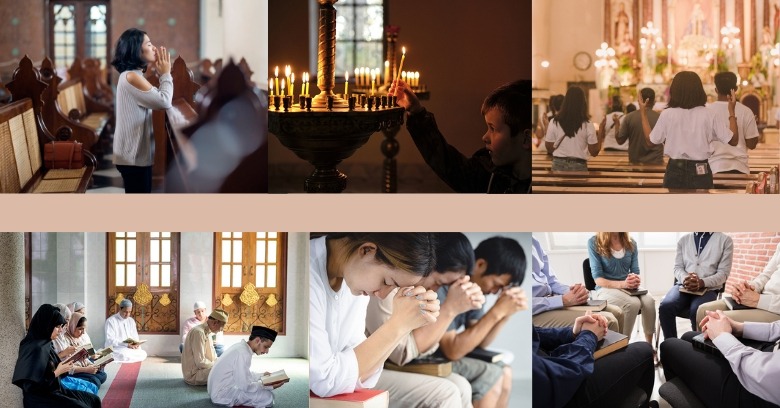
Must Find Small Church Insurance In Aggieland?
Service Insurance Group Writes Small Church Insurance!
Telephone Service Insurance Group at 979-300-7345!
Having a temple is a important task, making it vital to obtain Small Church Insurance in Aggieland as safety against the many threats a church might possibly come across.
Exactly what are some of the different areas in which Aggieland Small Church Insurance could safeguard your temple?
- Bodily injury when attending a synagogue meeting!
- Property problems with house of worship structures and cars!
- Accidental injury to employees on house of worship premises!
No temple should have to be concerned about the risks of possessing and managing a synagogue in Aggieland, so it is advisable to find a committed and knowledgeable insurer to supply the Small Church Insurance necessary to offer services in a local or bigger area.
You require the experience of Service Insurance Group agents to identify appropriate Small Church Insurance in Aggieland to satisfy the expectations of any house of worship.
So What Makes Service Insurance Group The Right Option For Churches in Aggieland?
Synagogues understand that Small Church Insurance is a critical element of operating as a temple in Aggieland.
Service Insurance Group is committed to giving all churches in Aggieland with Small Church Insurance that is customized to meet their particular needs.
Service Insurance Group is the wisest option for Small Church Insurance in Aggieland because they:
- Supply Small Church Insurance that is the right price!
- Help with any claims that happen!
- Have staff who understand Small Church Insurance and ways to obtain the right protection in Aggieland!
Find The Necessary Small Church Insurance From Service Insurance Group!
For temples in Aggieland, it's vital to have Small Church Insurance to look after your temple.
Let the skilled and expert associates at Service Insurance Group find the suitable Small Church Insurance to satisfy the demands of churches in Aggieland!
Searching For Small Church Insurance in Aggieland?
Service Insurance Group Can Find The Suitable Plan For Your Temple!
Phone 979-300-7345 Right Now!
Church Insurance - Frequently Asked Questions
What forms of protection should a house of worship purchase?
There are a number of forms of coverage that a synagogue should look into acquiring, for example:
- Property Protection - This form of insurance insures the premises and any structures or structures owned by the temple. It typically guards against destruction from natural calamities, theft, and malicious mischief.
- Indemnity Protection - This is necessary for safeguarding the house of worship from any litigations or insurance claims made against it. It can protect a broad range of liabilities, such as harm on church grounds or accidents involving house of worship motor vehicles.
- Workers Comp Insurance - If the church has workers, this type of protection is necessary to cover any work-associated harm or sicknesses.
What factors should a church consider when buying insurance?
When obtaining protection, a house of worship should take into account its distinct needs and hazards, as well as its budget. It's important to partner with an experienced coverage representative who can help assess the proper types and extent of coverage for the temple.
Other factors to think about include:
- Scale and placement of the church - Larger temples or those located in zones susceptible to natural disasters may require more extensive insurance.
- Engagements and happenings - Churches that host regular events or have a lot of local participation may require supplementary liability insurance.
- Resources and property - If the temple owns important holdings or property, it's vital to ensure they are properly covered by protection.
- Staff and volunteers - Churches with staff members or a large number of assistants should think about employees' compensation and volunteer injury protection to shield against any accidents or events.
Buildings Coverage
What types of premises are insured under church insurance?
House of worship protection commonly protects a broad of property types such as the physical temple structure, annexed structures, personal possessions including fixtures and apparatus, and other assets including musical equipment, stained glass, and even grounds. Insurance may also cover outdoor signs and recreational gear.
How expensive will property coverage cost for my temple?
The expense of property coverage can fluctuate greatly depending on several factors for example the size and value of the premises, the location, the unique hazards connected with the locale, and the level of coverage desired. It's best to acquire a tailored quote from an protection agency who can determine your specific needs.
Does premises coverage cover coverage against acts of nature?
Most standard church protection plans include insurance against typical dangers like blaze, stealing, and destruction. However, coverage for acts of nature such as earthquakes, floods, and hurricanes may require to be added as additional add-ons. Check with your coverage agency for details.
Does the dimension and price of the church's property create a effect?
Indeed, the size and value of a house of worship's premises can greatly influence the cost of insurance. More extensive and more high-value properties may require higher coverage maximums, which can result in higher rates. It's essential for temples to regularly reassess their premises values and revise their coverage suitably to verify they are adequately covered. Additionally, more extensive premises may also have higher maintenance costs and increased risk for damage, which can also affect coverage rates.
Does it important where the temple is situated?
The location of a church can also affect in the price of property protection. Some regions may have elevated levels of crime or natural calamities, which can elevate coverage rates. Houses of worship situated in urban places or regions susceptible to extreme weather events may experience elevated insurance costs due to these risks. It's essential for houses of worship to discuss their placement with their insurance provider and verify they have sufficient coverage for any possible dangers.
How does the ageing and state of the synagogue structure and its rooftop affect property protection?
The age and state of a church edifice, especially its rooftop, can also influence the price of premises coverage. Vintage structures or roofs that are in need of repairs may be seen as greater risk by insurance agencies, as they may be more prone to damage. This can cause higher premiums or the necessity for additional protection to shield against likely hazards. It's crucial for houses of worship to regularly upkeep their structures and roofing to help maintain insurance rates manageable.
Does property coverage cover insurance for specific occasions or fundraisers held on church property?
It's essential for houses of worship to talk about their coverage company if specific occasions or fundraisers held on temple property are covered under their premises insurance. In some cases, these categories of activities may require supplementary protection in order to be adequately insured. It's best to prepare in advance and collaborate with your insurance provider to assess the essential protection for any occasions or activities held on church premises.
In what way is the Total Insurance Value of a house of worship assessed?
The TIV of a church is determined by calculating the total reconstruction cost of all covered property, including the material structure and its belongings. This value may also consider any supplementary costs like waste disposal or architectural costs in case of a damage. It's crucial for temples to regularly review and update their Total Insurance Value to make sure they have sufficient insurance in case of a loss. It's also essential to keep in mind that the Total Insurance Value may not necessarily be the same as the selling price of the premises.
What is Business Income coverage and by what method does it help temples?
Income Protection coverage, also known as Income Protection insurance, gives monetary insurance for missed revenue and additional expenses sustained by a temple if they are prevented to run due to a covered loss. This can include occasions like a fire or natural disaster that forces the house of worship to shutter its operations briefly. Business Income insurance can help temples remain operational and continue their functions during these difficult times.
Do temples save expenses on property insurance by making renovations or updates?
In some cases, synagogues may be able to cut costs on asset protection by making improvements or upgrades to their premises, such as installing a surveillance system or upgrading their roofing. These renovations can minimize the likelihood of damage and indicate to insurance companies that the church is making proactive steps to protect their premises. It's important for synagogues to talk over likely money-saving steps with their protection provider before making any alterations.
Indemnity Coverage
What does liability coverage cover in a temple coverage contract?
Indemnity insurance in a house of worship protection policy often provides law-related costs and compensation if the synagogue is found legally accountable for accidents or asset damage. This can entail situations such as slip and fall mishaps, counseling obligations, and activities conducted by the temple both on and offsite.
How much liability protection does my house of worship need?
The level of indemnity protection needed can differ based on the scale of the assembly, kinds of activities held, and overall hazard exposure.. A reliable starting point is to examine the likely dangers and discuss with an protection expert to establish appropriate insurance limits for your particular case..
Are volunteers covered under indemnity coverage?
Absolutely, many house of worship coverage plans provide liability protection for assistants working on behalf of the house of worship. This guarantees that both the church and its helpers are covered in the instance of an accident or judicial claim.
Workman's Reimbursement
Is having employee reimbursement protection mandatory for synagogue workers?
Employee reimbursement regulations for church employees fluctuate by region. Usually, if your house of worship has paid employees, you will require to provide workman's compensation policy to cover medical costs and lost wages in the event of work-related harm or illnesses.
What does employee reimbursement policy include?
Employee reimbursement insurance typically provides for medical expenses, recovery expenses, lost income, and death benefits resulting from work-related injuries or sicknesses. This assists protect both the temple and its staff from economic hardship following an event.
How much does workers' compensation insurance?
The price of workers' compensation policy is based on several factors including the number of staff, the types of roles they perform, the synagogue's claim record, and the region's coverage laws. An protection provider can provide a customized proposal based on these variables.
Common Issues
How do I decide on the correct amount of protection for my synagogue?
Figuring out the right level of insurance requires assessing the price of your premises, understanding your liability vulnerability, and evaluating the range of your events. Advising with an experienced insurance agent who specializes in church coverage can help you personalize a policy that suits your temple's necessities and budget.
What must I consider in a temple coverage provider?
When selecting a house of worship insurance provider, look for firms with knowledge in covering religious institutions, strong client support, complete coverage options, and affordable rates. It's also advantageous to read feedback and seek suggestions from other temples.
How often should I review my synagogue coverage plan?
It’s advisable to review your church coverage contract once a year or whenever there are notable changes to your premises, assembly number, or programs. Regular reviews guarantee that your coverage stays sufficient and modern with your church’s developing needs.


 Verified


Verified


Verified

Verified

Verified

Verified

Verified


Verified

Verified

Verified

Verified

Verified


Verified

Verified
Verified

Verified

Verified


Verified

Verified


Verified

Verified


Verified

Verified
Verified


Verified
Verified

Verified

Verified


Verified

Verified
Verified


Verified

Verified




Verified


Verified

Verified
Verified

Verified


Verified

Verified

Verified


Verified


Verified



Verified
Verified
Verified
Verified

Verified
Verified
Verified
Verified


Verified

Verified

Verified


Verified


Verified

Verified
Verified
Verified
Verified

Verified
Verified


Verified
Verified

Verified



Verified
Verified


Verified


Verified

Verified
Verified
Verified
Verified

Verified
Verified

Verified
Verified

Verified
Verified
Verified

Verified


Verified

Verified
Verified

Verified

Verified

Verified
Verified


Verified

Verified
Verified

Verified
Verified
Verified

Verified
Verified

Verified

Verified
