

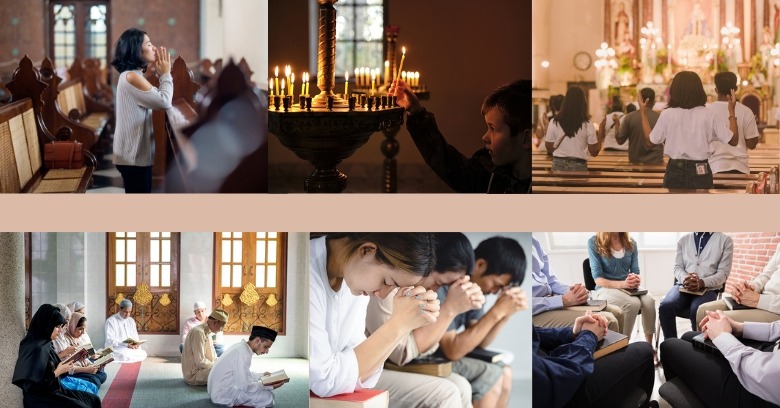
Leading a Congregation and Looking Into Liability Insurance for Churches for Your Church Family in Aggieland?
Service Insurance Group walks church leaders through the coverages that fit a congregation’s buildings, programs and people, and what questions the board may want to ask first.
Contact the team at 979-300-7345 to start with the questions your board has been discussing.
What Makes a Congregation Different From Other Organizations – and Many Hands at Work
A church combines a large building that is empty much of the week with programs for children, youth, seniors and the community, volunteers who give their time freely and a calendar full of gatherings, and the way the parts fit together matters as much as each one. Policies written for general businesses do not always anticipate these activities, which keeps the terms matched to the ministry.
The Property Side of a Church Program: Valuing Older and Unusual Structures
The physical side of a congregation’s protection covers structures and their contents, which often include pews, kitchens, instruments, audio equipment and storage rooms, so list these items individually and ask how the form treats them. Some forms address the added expense of meeting code requirements and others do not, since the answer can change what is available after damage.
How Much Would It Take to Rebuild: Replacement Cost Versus Depreciated Value
Limits on church buildings need to track what it would really take to rebuild, and since materials and labor change over the years, a number chosen long ago can fall well short, and note whether the form includes a feature that adjusts limits for inflation. Some forms include a penalty when the amount carried falls short of a stated share of the value, so request an explanation in plain terms.
What General Liability Does for a Congregation – and What It Typically Includes
If a guest slips on a wet stair, trips on a curb or has a car scratched in the lot, general liability is the form meant to respond for the congregation, and limits and exclusions determine how far the protection reaches. Leaving an activity off the list can create a problem later, and ask whether any activity requires an endorsement.
A Topic No Congregation Can Ignore: A Separate Coverage Many Forms Limit
Allegations of abuse or misconduct involving children or other vulnerable people are among the most serious exposures a congregation faces, and standard liability forms often exclude them or limit what they pay, because prevention is the first line of defense. Questions about how volunteers are selected and supervised are common, and review it regularly with the leadership.
The Question of Who Counts as a Member of the Team: Medical Payments and Accident Coverage
Questions about volunteers include both their role in harming others and their own risk of being hurt while serving, and clear written roles help in any later discussion. Someone who drives a van or works with children is in a different position from someone who stacks chairs, and apply stricter steps to the higher-risk ones.
Church Vans, Buses and Borrowed Vehicles: Why Auto Is a Separate Topic
Transporting children, seniors or volunteers puts people in vehicles on public roads, and the form protecting the church against demands from a crash is written specifically for auto exposure, so many congregations adopt written driver policies. Carrying many passengers raises the potential size of a demand, and review driver records before assigning volunteers.
Pastors, Custodians and Office Staff: What Churches With Staff Should Know
For paid staff such as office workers, custodians and program employees, workers’ compensation is the system that handles medical care and lost wages after a workplace injury, and Texas allows many private employers to decide whether to participate. Ministers, contractors and part-time helpers may fall into different categories, since the answer affects several kinds of coverage.
Management Liability for Congregations: Disputes, Employment Matters and Governance
Congregations of every size can face internal disputes, and the form is not limited to large churches, and it is often combined with coverage for employment practices. Leadership benefits from habits that create a clear trail, and ask whether the form responds to the church’s own governing structure.
When a Church Operates a Program for Children – and What Forms Often Ask
Programs that care for children during the week raise questions about supervision, staffing and the safety of facilities, and reviewers ask more about them than about Sunday gatherings, which are the documents reviewers usually request. Failing to follow regulations can complicate coverage, so ask the proper authorities about requirements.
Youth Events, Retreats and Service Projects: Where Protection May Not Follow
Youth events and service projects are among the most meaningful things a congregation does, and they also deserve careful planning of the protection behind them, because assumptions about coverage abroad are often wrong. A trip leader who has thought through the details is better prepared, which lets the form be checked against the trip.
When Someone Takes What Was Given in Faith – Counting Money Together
Crime coverage, sometimes called fidelity or employee dishonesty coverage, is written for losses from theft of money and other property, including theft by those who hold positions of trust, and consider simple controls such as counting offerings with two people. Written procedures make the process routine, and adopt checks that fit the size of the congregation.
A Plain Conversation for Faith Communities in Aggieland
Dial 979-300-7345 and describe what your church does in a typical week.
The Factors Behind the Price Without the Numbers: Building Age, Size and Programs
Reviewers look at roofs, wiring, heating and plumbing, as well as alarms and sprinklers, since well-maintained buildings with protective devices are easier to protect, and it helps to document the improvements already made. A thoughtful comparison weighs what is included against what is paid, and revisit the ranking every year.
Fewer Assets, Different Questions: Protecting Equipment and Liability
A congregation that rents a hall, shares a building or meets in a school does not carry the same property exposure as one that owns a sanctuary, but it still faces liability, equipment and personal property questions, because portable equipment is treated differently from fixed property.
Looking Beyond the Name on the Policy: Limits, Exclusions and Endorsements
Put identical questions to each provider about Liability Insurance for Churches, covering property valuation, liability limits, misconduct sublimits, vehicles and the treatment of volunteers, which allows the board to check the wording itself. The questions a provider asks in return are often revealing, so notice whether the questions reflect an understanding of church life.
Looking Again as the Ministry Grows – and Aging Facilities
The wording of a form reflects the congregation as it was described, and anything that changes should be reported so the form stays accurate, because small updates are easier than large corrections.
Congregations in Aggieland that want Liability Insurance for Churches explained in plain words can start the conversation with Service Insurance Group, and the number to call is 979-300-7345.
Verified

Verified
Verified
Verified
Verified