

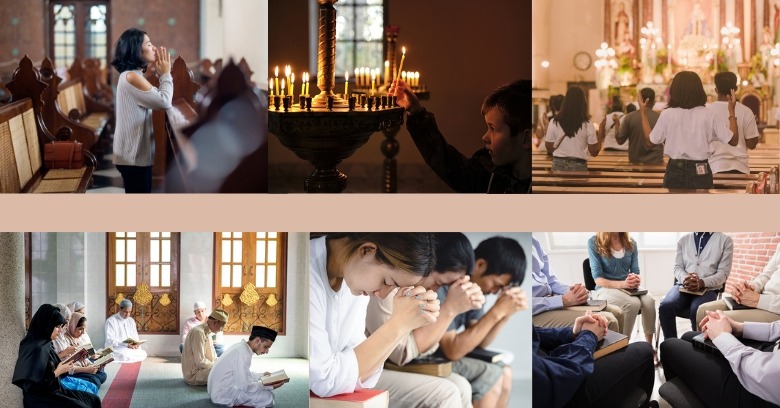
Asked to Look Into Church Vehicle Insurance Around Aggieland?
Service Insurance Group puts the vocabulary of congregation coverage into plain words for pastors, boards and treasurers, so decisions can be made with confidence.
Dial 979-300-7345 to ask how these pieces apply to a church like yours.
Understanding the Place of Worship Exposure: Why Ordinary Business Forms Miss Some of It
A church combines a large building that is empty much of the week with programs for children, youth, seniors and the community, volunteers who give their time freely and a calendar full of gatherings, because gaps tend to appear where a ministry grows beyond what was first described. Policies written for general businesses do not always anticipate these activities, since the details are where differences show up.
From the Roof to the Pews: Organs, Windows and Sound Systems
The physical side of a congregation’s protection covers structures and their contents, which often include pews, kitchens, instruments, audio equipment and storage rooms, because ordinary valuation methods may not reflect what it would take to replace them. Matching the form to an older building takes thought, and keep records of renovations and improvements.
The Valuation Question for Aging Buildings: Why an Old Figure Can Mislead
Limits on church buildings need to track what it would really take to rebuild, and since materials and labor change over the years, a number chosen long ago can fall well short, and consider an appraisal or a professional estimate for the main buildings. Asking about it avoids an unpleasant surprise, since a clear understanding helps everyone.
Protection When Someone Is Hurt at Church: The Core Form for a House of Worship
This coverage addresses third-party claims of injury or damage connected to the property and programs of the church, from the sanctuary to the playground, because some programs are excluded or limited by endorsement. Leaving an activity off the list can create a problem later, and review the list whenever a new program begins.
Why Churches Look Closely at Misconduct Coverage: Screening and Policies Matter
Allegations of abuse or misconduct involving children or other vulnerable people are among the most serious exposures a congregation faces, and standard liability forms often exclude them or limit what they pay, and the policy is only part of a larger responsibility. Having written policies ready makes the discussion smoother, and review it regularly with the leadership.
Protection for Those Who Give Their Time: Are They Included in the Form
Volunteers do much of the work in a congregation, and a well-written form should make clear whether they are treated as covered people when they act on the church’s behalf, and clear written roles help in any later discussion. It is sensible to think about risk by role, since a thoughtful approach helps both safety and coverage.
Vehicles Owned, Rented and Volunteered – and a Common Gap
Transporting children, seniors or volunteers puts people in vehicles on public roads, and the form protecting the church against demands from a crash is written specifically for auto exposure, so many congregations adopt written driver policies. Texas sets a minimum, and the church should understand how that minimum compares with its needs, and review driver records before assigning volunteers.
Pastors, Custodians and Office Staff: Optional but Not Simple
The employee side of church protection is separate from the liability side, and treating them as one is a common mistake, and some ministers are treated differently from other employees under certain rules. Classification of staff is not always obvious, and ask an adviser how each is classified.
Protection for People Who Make the Decisions – Not Just Large Churches
Volunteer leaders often serve without realizing they may be named personally, which is one reason many boards ask whether any protection exists for them, so ask whether the form includes employment-related allegations. The record of how a decision was reached is often as important as the decision, since clarity helps prevent disputes.
Preschools, Childcare and Weekday Programs – and What Forms Often Ask
A church that runs a preschool, a daycare, a school or an after-school program takes on responsibilities that differ from those of a congregation that only holds services, and forms often treat such programs separately, because reviewers look at supervision and screening closely. Compliance with these rules is the responsibility of the church, and keep copies of any approvals.
When the Congregation Travels: Waivers, Records and Permission Forms
Youth events and service projects are among the most meaningful things a congregation does, and they also deserve careful planning of the protection behind them, because assumptions about coverage abroad are often wrong. Written procedures for supervision, transportation and emergencies help everyone, which lets the form be checked against the trip.
When Someone Takes What Was Given in Faith: Limits and Conditions to Read
Embezzlement is more common in small organizations than most people realize, partly because trust substitutes for controls, because some forms limit payment if certain procedures were not followed. The person who records a deposit should not be the only person who makes it, since even small steps help.
Ready to Talk Through Your Congregation’s Needs for Aggieland Congregations
Contact the team at 979-300-7345 to begin with the proposal or policy on your desk.
What Drives the Cost of Church Coverage – and Protective Measures
What a congregation is offered depends on its building age and condition, its size, its programs, its vehicles, its safeguards and how it has fared in the past, and it helps to document the improvements already made. Cutting the wrong item to save money can be expensive later, and revisit the ranking every year.
Meeting Wherever There Is Room – and What Does Not
Leases for space often require tenants to carry liability coverage and to name the landlord as an additional party, so the agreement should be read closely before anything is signed, which helps the form meet the landlord’s requirements.
Asking the Same Questions of Everyone: Misconduct, Vehicles and Volunteers
Two proposals for Church Vehicle Insurance can look alike at first glance and still differ in what they exclude, so reading the endorsements and conditions matters, and a lower total can reflect a narrower form. Some specialize in congregations and some serve many types of customers, and ask for plain explanations of anything unclear.
Changes That Should Prompt a Review – Before the Term Ends
A congregation changes as it grows, adding a youth program, buying a van, building an addition or hiring staff, and each of these changes can leave an older policy behind, because small updates are easier than large corrections.
If you are working through Church Vehicle Insurance in Aggieland, Service Insurance Group can explain how a congregation’s property, liability, volunteers and vehicles fit together and what questions to ask at each point, and the number to call is 979-300-7345.
Verified

Verified
Verified
Verified
Verified