

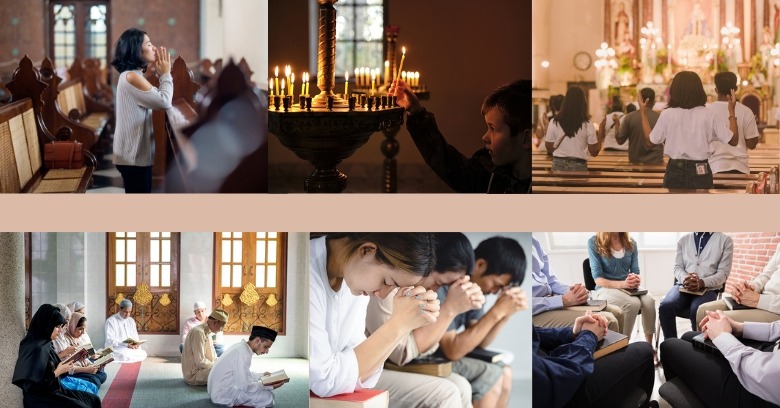
Asked to Look Into Church Insurance for Your Church Family in Aggieland?
Service Insurance Group lays out what a church should understand about its property, its activities and its responsibilities, and what questions the board may want to ask first.
Phone 979-300-7345 and bring the policy or proposal you are puzzling over.
Understanding the Place of Worship Exposure – Beyond the Sunday Service
Between a big building used only part of the week, programs for every age group, volunteers who serve freely and a packed calendar, a congregation has a mix of exposures few other groups share, because gaps tend to appear where a ministry grows beyond what was first described. The wording of a form should be checked against the actual calendar of the congregation, and keep the calendar handy while reading the form.
Protecting What the Congregation Has Built and Gathered – Items That Need Special Attention
Property forms respond to damage from events such as fire, wind, hail and theft, and the amount that applies depends on how the buildings and contents are valued, because ordinary valuation methods may not reflect what it would take to replace them. Matching the form to an older building takes thought, so ask whether code upgrades are part of the form.
Setting Limits That Reflect Reality: Why an Old Figure Can Mislead
A property limit is only useful if it reflects what rebuilding would actually take, and construction costs change over time, so a figure set years ago may no longer be adequate, and consider an appraisal or a professional estimate for the main buildings. Some forms include a penalty when the amount carried falls short of a stated share of the value, and have the board review the answer together.
Protection When Someone Is Hurt at Church – and What It Typically Includes
General liability responds when someone says they were hurt or their property was damaged because of the church’s premises or activities, such as a visitor who falls on a wet stair or a car damaged in the parking lot, because some programs are excluded or limited by endorsement. Leaving an activity off the list can create a problem later, which keeps the form in step with the ministry.
Abuse and Misconduct Protection: Building a Culture of Care
Because accusations involving children or vulnerable people are so serious, many liability forms exclude them or set a low sublimit, and a separate form or endorsement is often used, because prevention is the first line of defense. Reviewers often ask about the safeguards in place, and consider adopting a written approach if none exists.
Helpers, Greeters and Teachers: Medical Payments and Accident Coverage
Many liability forms define who counts as a covered person, and volunteers may or may not be named, so the definition deserves a close look, and a separate accident or medical payments coverage may address injuries to volunteers. Someone who drives a van or works with children is in a different position from someone who stacks chairs, which keeps the picture current.
The Auto Side of Ministry – Who Is Responsible
The auto exposure of a congregation is often underestimated, since the vehicles are used only occasionally but carry people who matter a great deal, and ask how the form treats a volunteer driving a personal car on the church’s business. A legal minimum is a floor rather than a target, since a serious crash with several passengers can exceed a basic limit.
Employees, Staff and Workers’ Compensation: An Unusual Rule in Texas
For paid staff such as office workers, custodians and program employees, workers’ compensation is the system that handles medical care and lost wages after a workplace injury, which is a topic to discuss with a knowledgeable adviser. The wrong category can cause problems later, and ask an adviser how each is classified.
Protection for People Who Make the Decisions: Disputes, Employment Matters and Governance
Volunteer leaders often serve without realizing they may be named personally, which is one reason many boards ask whether any protection exists for them, and read the exclusions for conduct and for disputes among members. Leadership benefits from habits that create a clear trail, so keep minutes and policies organized and accessible.
Education Ministries and Their Special Terms – and What Forms Often Ask
Running a preschool, daycare or after-school program means the church is providing care, not only worship, and many forms treat such operations as a separate and more closely examined exposure, which are the documents reviewers usually request. Compliance with these rules is the responsibility of the church, since the answers can influence the form.
Activities Away From the Property: Where Protection May Not Follow
Trips outside the country raise further questions, because some forms limit protection to certain places or require special arrangements, so ask what applies before the group leaves. A trip leader who has thought through the details is better prepared, since shared understanding avoids confusion.
When Someone Takes What Was Given in Faith – Counting Money Together
Embezzlement is more common in small organizations than most people realize, partly because trust substitutes for controls, so ask what the form requires and what it excludes. Controls are easier to adopt before there is a problem, and keep records of the procedures.
Take the Next Step for Local Churches
Contact the team at 979-300-7345 to ask how these ideas apply to your buildings and programs.
The Factors Behind the Price Without the Numbers – What Helps
The terms a congregation is offered depend on factors such as the age and construction of its buildings, their size and location, the programs it runs, the number of people it serves and the steps it takes to manage risk, so the way to improve the picture is through maintenance and good habits. The goal should be sound protection at a sensible level and not simply the smallest bill, since higher amounts paid first can reduce the bill but increase exposure.
Small Congregations and Shared Space – Reading the Agreement
Meeting in a rented space still invites visitors, children and events, so liability protection is as relevant to a storefront church as to a large one, so ask how a form treats items stored off site or moved between locations.
How to Read Offers Side by Side – Three Items to Line Up
When comparing Church Insurance, ask every provider the same questions about property valuation, liability limits, misconduct sublimits, vehicle coverage and how volunteers are treated, which allows the board to check the wording itself. The questions a provider asks in return are often revealing, since a good explanation is a sign of a good process.
An Annual Review for Churches – and Aging Facilities
Coverage that fit the church last year may no longer reflect its buildings, its programs and its people, so an annual review with the board is a healthy habit, and ask what each change does to the terms.
Congregations in Aggieland that want Church Insurance explained in plain words can start the conversation with Service Insurance Group, with 979-300-7345 ready when you are.
Verified

Verified
Verified
Verified
Verified