

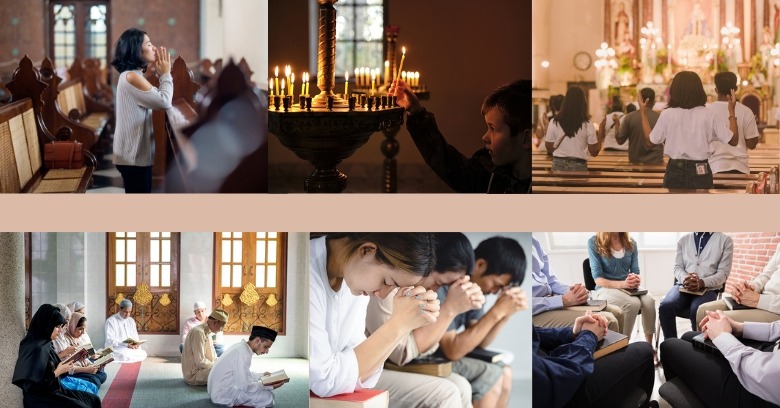
Asked to Look Into Places of Worship Vehicle Insurance for a Congregation in Waller Texas?
Service Insurance Group explains the protection a house of worship relies on, from the building to the volunteers who keep it running, with attention to the ministries that raise their own concerns.
Dial 979-300-7345 to start with the questions your board has been discussing.
What Makes a Congregation Different From Other Organizations: Why Ordinary Business Forms Miss Some of It
A church combines a large building that is empty much of the week with programs for children, youth, seniors and the community, volunteers who give their time freely and a calendar full of gatherings, which is why coverage for a church is usually built from several parts. The wording of a form should be checked against the actual calendar of the congregation, which keeps the terms matched to the ministry.
The Property Side of a Church Program: Valuing Older and Unusual Structures
Property forms respond to damage from events such as fire, wind, hail and theft, and the amount that applies depends on how the buildings and contents are valued, which is a step many boards put off for too long. The age of a structure affects the options and the terms, which helps keep the valuation accurate.
Replacement Cost and Real Value – a Key Distinction
Churches often hold buildings for decades, which makes it likely that the original limits have drifted away from current rebuilding costs, and note whether the form includes a feature that adjusts limits for inflation. The wording is technical, but the effect is practical, which supports future decisions.
Slips, Falls and Everyday Accidents: The Core Form for a House of Worship
A congregation welcomes the public, so injuries and damage to guests are a real possibility, and liability coverage is the form designed for those situations, and limits and exclusions determine how far the protection reaches. Leaving an activity off the list can create a problem later, since extra wording is sometimes needed.
A Topic No Congregation Can Ignore – Not Only the Form
This is a subject where congregations should understand what is and is not addressed, rather than assume that the general form handles it, because prevention is the first line of defense. Questions about how volunteers are selected and supervised are common, since clarity protects everyone.
Volunteers and the People Who Serve: Are They Included in the Form
Questions about volunteers include both their role in harming others and their own risk of being hurt while serving, and clear written roles help in any later discussion. It is sensible to think about risk by role, since a thoughtful approach helps both safety and coverage.
Church Vans, Buses and Borrowed Vehicles – and a Common Gap
Transporting children, seniors or volunteers puts people in vehicles on public roads, and the form protecting the church against demands from a crash is written specifically for auto exposure, because the people behind the wheel are the biggest factor in the risk. Higher limits may deserve consideration for vehicles that carry groups, which is a practical step as well as a policy matter.
Employees, Staff and Workers’ Compensation: An Unusual Rule in Texas
Workers’ compensation is the system that pays medical costs and a share of lost wages when an employee is hurt on the job, and it applies to paid staff such as secretaries, custodians and ministry employees, so the board should understand what each choice would mean. Classification of staff is not always obvious, which keeps the records useful.
Management Liability for Congregations – and What Is Typically Included
People who serve on a church board, council or eldership can face personal questions when someone disputes a decision about staff, property or finances, and management liability coverage is written for that situation, so ask whether the form includes employment-related allegations. Leadership benefits from habits that create a clear trail, since clarity helps prevent disputes.
Daycare, Schools and After-School Care: Why They Change the Picture
A church that runs a preschool, a daycare, a school or an after-school program takes on responsibilities that differ from those of a congregation that only holds services, and forms often treat such programs separately, and keep records of training and incident reports. Failing to follow regulations can complicate coverage, which makes the file complete.
Mission Trips, Camps and Outings – and How to Check
Youth events and service projects are among the most meaningful things a congregation does, and they also deserve careful planning of the protection behind them, and travel medical protection may be a separate arrangement. Simple steps taken before departure reduce problems, and tell the person explaining the policy about the plans.
Money, Theft and Trust: Controls Matter as Much as Coverage
Churches handle offerings, tithes, fundraising proceeds and bank accounts, and theft or misuse of those funds, including by a trusted insider, is a recognized exposure that property and liability forms usually do not address, which also protect the volunteers who handle the money. Written procedures make the process routine, so review how money moves through the church.
Take the Next Step in Waller Texas
Call 979-300-7345 with the questions your board has been asking.
What Drives the Cost of Church Coverage – What Helps
Reviewers look at roofs, wiring, heating and plumbing, as well as alarms and sprinklers, since well-maintained buildings with protective devices are easier to protect, which show that the buildings are looked after. Cutting the wrong item to save money can be expensive later, which keeps the choices deliberate.
Fewer Assets, Different Questions: Protecting Equipment and Liability
Leases for space often require tenants to carry liability coverage and to name the landlord as an additional party, so the agreement should be read closely before anything is signed, which helps the form meet the landlord’s requirements.
Asking the Same Questions of Everyone – Three Items to Line Up
When comparing Places of Worship Vehicle Insurance, ask every provider the same questions about property valuation, liability limits, misconduct sublimits, vehicle coverage and how volunteers are treated, because the form that looks lowest may leave the largest gaps. Experience with places of worship can help the explanation, and ask for plain explanations of anything unclear.
Keeping Pace With New Programs: Update the List Each Year
Coverage that fit the church last year may no longer reflect its buildings, its programs and its people, so an annual review with the board is a healthy habit, and put the review on the board’s calendar each year.
If you are working through Places of Worship Vehicle Insurance in Waller Texas, Service Insurance Group can explain how a congregation’s property, liability, volunteers and vehicles fit together and what questions to ask at each point, with 979-300-7345 ready when you are.
Verified

Verified
Verified
Verified
Verified