Choosing a life insurance policy is one of those decisions that gets postponed again and again, usually because it feels abstract until something makes it urgent such as a new baby, a mortgage, a business partnership, or a health scare that reminds you life is unpredictable. The trouble is, life insurance is not a single product. Term, whole, universal, and variable policies each solve different problems and picking the wrong one can leave a family underinsured or a business owner paying for coverage that does not match their actual goals. For residents of Bryan Texas and nearby College Station, the local economy, family structures, and business ownership patterns all shape which policy type makes the most sense.
This article breaks down how to think about life insurance not as a single checkbox but as a set of tools, each suited to a specific financial goal. Whether the goal is replacing income for a young family, protecting a business partnership, building tax-advantaged savings, or leaving a legacy, the right policy depends on what you are actually trying to accomplish. An experienced insurance agency can help sort through the options, but understanding the basics first makes that conversation far more productive.
Start With the Goal, Not the Policy
Too many people shop for life insurance the way they shop for a phone plan by comparing monthly costs without asking what they actually need the coverage to do. That approach backfires because term and permanent life insurance solve fundamentally different problems.
Common Reasons People Buy Life Insurance
Before comparing policy types, it helps to identify which of these goals applies to your situation:
- Replacing lost income if a primary earner passes away unexpectedly, so a spouse and children can maintain their standard of living.
- Paying off a mortgage or other large debts so surviving family members are not burdened with payments they cannot afford alone.
- Covering estate taxes or final expenses so heirs do not have to liquidate assets quickly to cover costs.
- Funding a buy-sell agreement between business partners so a surviving owner can buy out a deceased partner's share.
- Building tax-deferred cash value that can supplement retirement income or fund a child's education later in life.
- Leaving a charitable gift or legacy to an organization, church, or cause the policyholder cares about.
Once the goal is clear, the policy type almost picks itself. A thirty-year-old with two young children and a mortgage has very different needs than a sixty-year-old business owner planning a succession strategy, even though both might describe their need simply as life insurance.
Why This Matters More in a Growing Region
Bryan and College Station Texas have seen steady population growth, driven partly by Texas A&M University and the surrounding business and healthcare sectors. That growth means more young families buying first homes, more small business formation, and more professionals relocating for jobs, all situations where life insurance needs shift quickly. A policy that made sense five years ago may no longer match someone's current mortgage balance, income, or family size, which is exactly why working with a local insurance agency that understands the area's economic patterns can make a real difference.
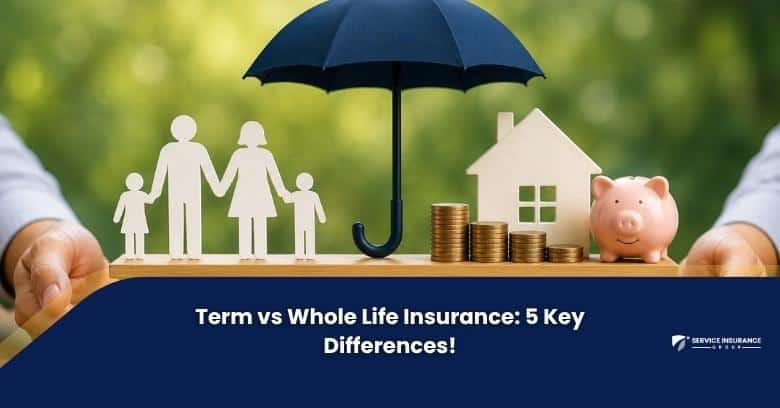
Term Life Insurance: Coverage for a Defined Period
Term life insurance is often the right starting point for people whose primary goal is income replacement during a specific window of financial vulnerability, such as the years when children are still at home or a mortgage is still being paid down.
Term policies are straightforward: you choose a coverage amount and a term length, typically 10, 20, or 30 years, and pay a level premium for that period. If the insured person passes away during the term, beneficiaries receive the death benefit. If the term expires and the policyholder is still living, the coverage ends unless it is renewed or converted.
Term life tends to fit these situations well:
- A young family in Bryan Texas needs to protect income while their children are minors and depend on both parents' earnings.
- A homeowner wants coverage that roughly matches the remaining balance and term of their mortgage.
- A business owner needs temporary coverage to satisfy a lender's requirement on a business loan.
- Someone wants the highest coverage amount possible for the lowest premium, accepting that the policy will not build cash value.
The tradeoff is that term insurance is temporary. Once the term ends, there is no payout unless a claim was made, and renewing coverage later in life typically costs much more because age and health both affect pricing.
Permanent Life Insurance: Whole, Universal, and Variable Policies
When the goal shifts from protect income for a defined period to build lasting value and guarantee a payout no matter when death occurs, permanent life insurance becomes the more logical fit. Permanent policies stay in force for the insured's entire life as long as premiums are paid and most build cash value that grows over time on a tax-deferred basis.
Whole Life Insurance
Whole life insurance offers a guaranteed death benefit, fixed premiums, and a cash value component that grows at a guaranteed minimum rate. It is a good match for people who want predictability above all else with no market risk, no premium increases, and a cash value they can borrow against if needed later.
This type tends to appeal to:
- Parents or grandparents who want to guarantee a legacy gift, no matter when they pass away.
- Business owners funding a buy-sell agreement who want certainty that funds will be available whenever a partner dies.
- People who have maxed out other tax-advantaged savings vehicles and want another place to build value.
Universal Life Insurance
Universal life insurance offers more flexibility than whole life. Premiums and death benefits can often be adjusted within limits and cash value growth is tied to current interest rates rather than a fixed guarantee. This flexibility suits people whose income or financial obligations may change over time, such as self-employed professionals or small business owners whose revenue fluctuates seasonally.
Variable Life Insurance
Variable life insurance ties cash value growth to investment sub-accounts, similar to mutual funds. This adds upside potential but also real market risk as cash value and sometimes even the death benefit can fluctuate. Variable policies generally suit people comfortable with investment risk and with a solid financial foundation, since a market downturn can affect the policy's performance.
Special Situations Worth Planning For
Some circumstances call for more deliberate planning than a standard term or whole life policy provides. These situations come up often enough among clients of an insurance agency serving Bryan and College Station Texas that they deserve their own discussion.
Business Owners and Key Person Coverage
A business owner's death can threaten the agency's survival, not just the family's finances. Key person insurance protects the business by providing funds to recruit and train a replacement, stabilize cash flow during a transition, or reassure lenders and investors that the business can weather the loss. Buy-sell agreements funded by life insurance are especially common among partnerships in agriculture, construction, and professional services, all industries with a strong presence around Bryan Texas.
Farm and Ranch Families
Agricultural families in the Brazos Valley often carry complex estates involving land, equipment, and livestock that cannot easily be divided or liquidated. Life insurance proceeds can provide liquidity so one heir can buy out siblings' shares of land without being forced to sell the property itself, keeping the operation intact across generations.
Young Professionals Relocating for Work
College Station Texas attracts a steady stream of young professionals tied to the university, medical facilities, and growing tech as well as engineering employers. Many of these individuals are buying their first home or starting a family for the first time, making this a natural time to lock in term coverage while premiums are still low based on age and health.
Retirees and Legacy Planning
For retirees, the goal often shifts from income replacement to covering final expenses, equalizing inheritances among children, or leaving a gift to a favorite cause. Permanent policies with guaranteed death benefits tend to fit this stage of life better than term coverage, since there is no longer a defined end date to the need.
How an Independent Insurance Agency Helps Match Coverage to Goals
This is where the value of working with an independent insurance agency becomes clear. A captive agent who represents a single carrier can only offer that carrier's product lineup, which may not include the term length, permanent policy structure, or underwriting flexibility a particular situation calls for. By contrast, an independent insurance agency in the Bryan Texas area can compare policies across many carriers and match the client with the product that fits their goals, not just the one available.
Working with a local insurance agency serving Bryan and College Station Texas also means the conversation happens with someone who understands the regional context including property values, common business structures, and the kinds of risks that come up repeatedly in this part of Texas. That local insight, paired with access to many carriers, is a big part of why a personalized quote from an established insurance agency often produces better-fitting coverage than a generic online quote alone.
Questions to Ask Before Choosing a Policy
Before finalizing any life insurance decision, it is worth working through a short list of questions with an agent:
- What specific financial obligation is this policy meant to cover and for how long?
- Does the household or business need coverage that guarantees a payout regardless of when death occurs or is a defined term sufficient?
- Do you want to build cash value you can access later in life or is pure protection the priority?
- How might income, family size, or business ownership change over the next ten to twenty years?
- Would a combination of term and permanent coverage serve the goal better than a single policy type?
Answering these honestly, ideally with guidance from an experienced agent, narrows the field considerably and prevents the common mistake of buying coverage based on price alone.
Final Thoughts
The right life insurance policy matches a specific financial goal, not the lowest premium or the most familiar name. Term coverage protects income during defined years of financial vulnerability, while permanent policies build lasting value and guarantee a payout when death occurs; many households benefit from a thoughtful combination of both.
Because needs shift with age, family size, and business ownership, it is worth revisiting coverage every few years rather than assuming a policy purchased a decade ago still fits. Anyone in the Bryan Texas or College Station area who has not reviewed their coverage recently should request a personalized quote and talk through their goals with an agent at a respected insurance agency who can compare options across multiple carriers. Acting now, before a life change forces the issue, gives families and business owners far more flexibility and far better pricing than waiting for a crisis to make the decision urgent!
Key Takeaways
- Term life insurance is best suited to covering a defined period of financial need, such as the years a mortgage or dependent children require income protection.
- Permanent life insurance, including whole and universal policies, builds cash value and guarantees a payout regardless of when death occurs.
- Business owners should consider key person coverage or buy-sell funding to protect the agency and remaining partners if an owner passes away.
- Farm and ranch families can use life insurance proceeds to preserve land and equipment for the next generation without forcing a sale.
- Life insurance needs change over time, so review coverage purchased years ago rather than assuming it still fits current goals.
- Working with an independent agency that has access to multiple carriers generally produces better-matched coverage than relying on a single insurer's product lineup.
Frequently Asked Questions
What is the difference between term and whole life insurance?
Term life insurance covers a defined period, such as 20 or 30 years, and pays a death benefit only if death occurs during that term, while whole life insurance covers the policyholder's entire life and builds guaranteed cash value. Term is generally more affordable for the same coverage amount, while whole life offers permanence and a savings component.
How much life insurance coverage do I actually need?
It depends on your income, debts, and dependents, but a common approach is to add up outstanding debts, future expenses like education, and several years of income replacement, then subtract existing savings and coverage. An agent can walk through these numbers with you to reach a more precise figure based on your household's situation.
Can I have both a term and a permanent life insurance policy at the same time?
Yes, many people layer a term policy on top of a smaller permanent policy to cover both a temporary need and a lifelong goal. This combination often provides strong protection during high-need years while still guaranteeing a smaller payout for final expenses or legacy purposes later on.
Is life insurance through a business different from personal life insurance?
Business-related life insurance, such as key person coverage or buy-sell funding, is structured to protect the company rather than replace a family's personal income. The business is typically the owner or beneficiary of the policy and premiums may be treated differently for tax purposes than personal coverage.
What happens if I outlive my term life insurance policy?
If you outlive the term, the coverage ends, and you receive no death benefit unless you renew, convert, or purchase a new policy. Some term policies include a conversion option that allows you to switch to permanent coverage without new medical underwriting, which is worth checking before the term expires.
Why should I work with a local insurance agency instead of buying a policy online?
A local insurance agency can factor in regional considerations, compare options across multiple carriers, and provide ongoing service as your needs change, which a generic online quote generally cannot match. For residents of Bryan and College Station Texas, that local knowledge often leads to coverage that is better matched to real financial goals.
How often should I review my life insurance coverage?
Every three to five years, or immediately after a major life event such as marriage, a new child, a home purchase, or starting a business. Needs shift quickly, and a policy that fit a decade ago may no longer match your current debts, income, or family size.
Does my health affect what type of life insurance I can get?
Yes, health and age both influence premiums and, in some cases, eligibility for certain policy types. Buying coverage earlier in life, when your health is generally better, typically results in lower premiums and more options.