

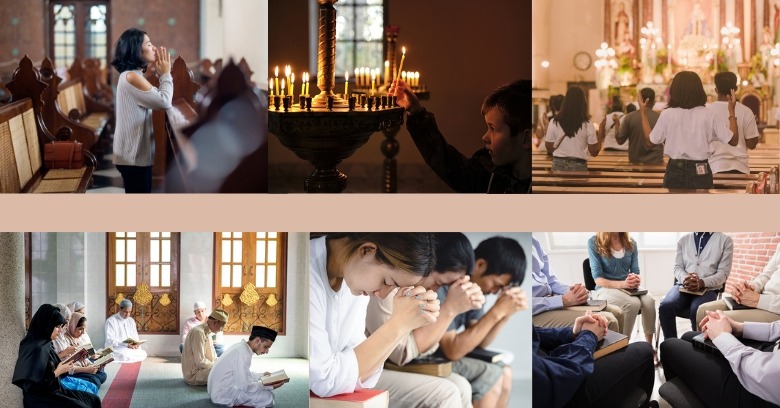
Leading a Congregation and Looking Into Insurance For Places of Worship Buildings Near College Station Texas?
Service Insurance Group explains the protection a house of worship relies on, from the building to the volunteers who keep it running, so decisions can be made with confidence.
Dial 979-300-7345 to talk through what your congregation does during a typical week.
The Particular Shape of Ministry Risk – and Many Hands at Work
Few organizations bring together as many ages, as many volunteers and as many different uses of one property as a congregation does, and the way the parts fit together matters as much as each one. Some standard forms exclude or limit things that churches do routinely, and tell the person explaining the policy about new programs.
The Property Side of a Church Program: Fixtures, Furnishings and Equipment
Property forms respond to damage from events such as fire, wind, hail and theft, and the amount that applies depends on how the buildings and contents are valued, and unusual features such as organs, stained glass and steeples deserve specific attention. Rebuilding to current codes can cost more than rebuilding what was there, and keep records of renovations and improvements.
The Valuation Question for Aging Buildings – and How to Check It
A property limit is only useful if it reflects what rebuilding would actually take, and construction costs change over time, so a figure set years ago may no longer be adequate, so ask how the limit was set and when it was last reviewed. Some forms include a penalty when the amount carried falls short of a stated share of the value, so request an explanation in plain terms.
Slips, Falls and Everyday Accidents – Where Accidents Happen
This coverage addresses third-party claims of injury or damage connected to the property and programs of the church, from the sanctuary to the playground, which is the best way to find a gap before it matters. Festivals, fundraisers, camps and sports leagues each add exposure, which keeps the form in step with the ministry.
Safeguarding Children and the Vulnerable: A Separate Coverage Many Forms Limit
Because accusations involving children or vulnerable people are so serious, many liability forms exclude them or set a low sublimit, and a separate form or endorsement is often used, and the policy is only part of a larger responsibility. Having written policies ready makes the discussion smoother, since clarity protects everyone.
Helpers, Greeters and Teachers – and What If They Are Hurt
A teacher, a greeter or a driver who serves without pay is still involved in the church’s activities, and the policy wording determines how that service is treated, because workers’ compensation usually applies to employees and not to volunteers. The most sensitive jobs deserve the most careful attention, so list the roles and note which involve children, driving or heavy work.
Transporting Members and Youth: Why Auto Is a Separate Topic
A church that owns a van or bus needs commercial auto coverage for it, and a church that uses members’ cars or rented vehicles faces a separate question about non-owned auto liability, and ask how the form treats a volunteer driving a personal car on the church’s business. State law requires liability coverage on vehicles, since a serious crash with several passengers can exceed a basic limit.
Employees, Staff and Workers’ Compensation – and a Choice for the Employer
A church with employees has the same questions about workplace injury as any employer, and the answers depend on how the staff are classified and what the law requires, so the board should understand what each choice would mean. It is worth getting the classification right from the start, and ask an adviser how each is classified.
Boards, Elders and Governing Bodies: Why Volunteer Leaders Care
People who serve on a church board, council or eldership can face personal questions when someone disputes a decision about staff, property or finances, and management liability coverage is written for that situation, which is where forms differ the most. Bylaws, written procedures and good minutes make decisions easier to explain, and ask whether the form responds to the church’s own governing structure.
Daycare, Schools and After-School Care: Ratios, Screening and Supervision
A church that runs a preschool, a daycare, a school or an after-school program takes on responsibilities that differ from those of a congregation that only holds services, and forms often treat such programs separately, because reviewers look at supervision and screening closely. It is wise to learn which rules apply before opening a program, and tell the person explaining the policy what was learned.
Youth Events, Retreats and Service Projects – Planning Ahead
Mission trips, camps and retreats move the activity away from the building, and the protection that applies at home may not extend the same way to a different place, which supports both safety and any later discussion. Planning is the best protection for any trip, so assign clear responsibilities for each trip.
Money, Theft and Trust: A Gap in Many Church Programs
Embezzlement is more common in small organizations than most people realize, partly because trust substitutes for controls, which also protect the volunteers who handle the money. Written procedures make the process routine, and adopt checks that fit the size of the congregation.
A Plain Conversation for Faith Communities in College Station Texas
Get in touch at 979-300-7345 and describe what your church does in a typical week.
Understanding Why Terms Vary: Building Age, Size and Programs
Beyond the property, the activities of the church matter a great deal, since childcare, a school or a large number of vehicles change the picture, so the way to improve the picture is through maintenance and good habits. The goal should be sound protection at a sensible level and not simply the smallest bill, and revisit the ranking every year.
Small Congregations and Shared Space – Reading the Agreement
Leases for space often require tenants to carry liability coverage and to name the landlord as an additional party, so the agreement should be read closely before anything is signed, and the equipment the group brings in deserves its own attention.
The Details That Separate One Church Program From Another: A Practical Checklist for the Board
Put identical questions to each provider about Insurance For Places of Worship Buildings, covering property valuation, liability limits, misconduct sublimits, vehicles and the treatment of volunteers, and a lower total can reflect a narrower form. Providers differ in what they know about churches, and take the time the board needs.
An Annual Review for Churches – Before the Term Ends
A congregation changes as it grows, adding a youth program, buying a van, building an addition or hiring staff, and each of these changes can leave an older policy behind, because small updates are easier than large corrections.
Service Insurance Group can talk with church leaders in College Station Texas about Insurance For Places of Worship Buildings, beginning with the buildings and ministries in front of you, and the number to call is 979-300-7345.
Verified

Verified
Verified
Verified
Verified