

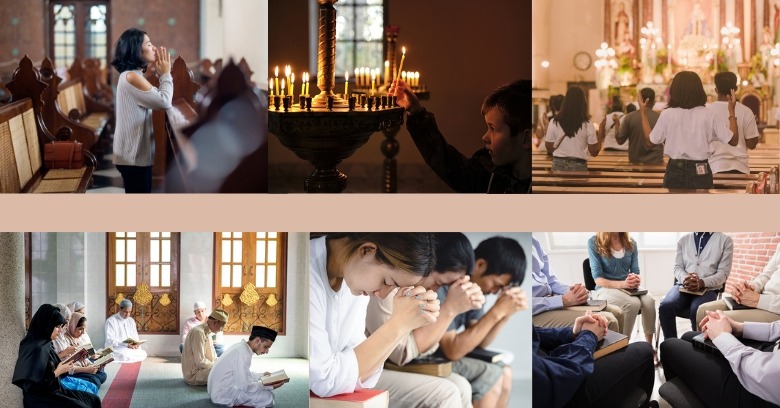
Responsible for a Place of Worship and Reading About Property Insurance for Places of Worship Near Greater Bryan-College Station Area?
Service Insurance Group lays out what a church should understand about its property, its activities and its responsibilities, so decisions can be made with confidence.
Get in touch at 979-300-7345 to talk through what your congregation does during a typical week.
The Particular Shape of Ministry Risk – and Many Hands at Work
From youth trips to food pantries to weekday classes, a congregation does much more than hold services, and each activity adds something to the picture, and the way the parts fit together matters as much as each one. A form that fits an office may leave a ministry out, and keep the calendar handy while reading the form.
The Property Side of a Church Program: Valuing Older and Unusual Structures
Property forms respond to damage from events such as fire, wind, hail and theft, and the amount that applies depends on how the buildings and contents are valued, because ordinary valuation methods may not reflect what it would take to replace them. Some forms address the added expense of meeting code requirements and others do not, and find out how values are set for older buildings.
Replacement Cost and Real Value: Replacement Cost Versus Depreciated Value
Limits on church buildings need to track what it would really take to rebuild, and since materials and labor change over the years, a number chosen long ago can fall well short, and note whether the form includes a feature that adjusts limits for inflation. Boards should understand whether such a condition applies, and keep the explanation with the policy.
Visitors, Members and the Property: The Core Form for a House of Worship
General liability responds when someone says they were hurt or their property was damaged because of the church’s premises or activities, such as a visitor who falls on a wet stair or a car damaged in the parking lot, and make sure the wording matches the real calendar. It is wise to tell the person explaining the policy about every regular event, which keeps the form in step with the ministry.
Why Churches Look Closely at Misconduct Coverage: A Separate Coverage Many Forms Limit
This is a subject where congregations should understand what is and is not addressed, rather than assume that the general form handles it, so screening, training and clear procedures for working with children matter greatly. The steps a church takes can influence the terms it is offered, and review it regularly with the leadership.
Helpers, Greeters and Teachers: Are They Included in the Form
Many liability forms define who counts as a covered person, and volunteers may or may not be named, so the definition deserves a close look, which is a simple way to reduce uncertainty. Someone who drives a van or works with children is in a different position from someone who stacks chairs, since a thoughtful approach helps both safety and coverage.
Church Vans, Buses and Borrowed Vehicles: Drivers, Passengers and Policies
Transporting children, seniors or volunteers puts people in vehicles on public roads, and the form protecting the church against demands from a crash is written specifically for auto exposure, because the people behind the wheel are the biggest factor in the risk. State law requires liability coverage on vehicles, since a serious crash with several passengers can exceed a basic limit.
When Someone on Payroll Is Hurt at Work: What Churches With Staff Should Know
Staff members who work with their hands, such as maintenance workers, face the highest risk of injury, while office employees face less, and Texas allows many private employers to decide whether to participate. The wrong category can cause problems later, and update the list when positions change.
Boards, Elders and Governing Bodies – Not Just Large Churches
Congregations of every size can face internal disputes, and the form is not limited to large churches, and it is often combined with coverage for employment practices. Clear governing documents help everyone, and ask whether the form responds to the church’s own governing structure.
Preschools, Childcare and Weekday Programs: Telling the Whole Story
Operating an education ministry means the church is providing care as well as worship, and the policy needs to reflect that difference, which are the documents reviewers usually request. The rules that apply to a church program may depend on its size and structure, and keep copies of any approvals.
Activities Away From the Property – and How to Check
Travel brings risks involving transportation, unfamiliar settings, lodging and activities the congregation does not usually do, and it is worth asking how the church’s forms respond, which supports both safety and any later discussion. A trip leader who has thought through the details is better prepared, and review the plan with the church leadership.
Handling Funds Carefully: A Gap in Many Church Programs
Crime coverage, sometimes called fidelity or employee dishonesty coverage, is written for losses from theft of money and other property, including theft by those who hold positions of trust, so ask what the form requires and what it excludes. Regular review of statements by someone other than the bookkeeper catches problems, and adopt checks that fit the size of the congregation.
Questions From Board Members and Pastors Around Greater Bryan-College Station Area
Contact the team at 979-300-7345 and start with the ministry that concerns you most.
Why Two Congregations See Different Terms – What Helps
Reviewers look at roofs, wiring, heating and plumbing, as well as alarms and sprinklers, since well-maintained buildings with protective devices are easier to protect, which show that the buildings are looked after. A thoughtful comparison weighs what is included against what is paid, which keeps the choices deliberate.
Storefront Churches, Rented Halls and Home Groups: Protecting Equipment and Liability
A congregation that rents a hall, shares a building or meets in a school does not carry the same property exposure as one that owns a sanctuary, but it still faces liability, equipment and personal property questions, and share the lease terms with whoever explains the options.
Comparing Providers and Proposals – Where Forms Differ Most
Put identical questions to each provider about Property Insurance for Places of Worship, covering property valuation, liability limits, misconduct sublimits, vehicles and the treatment of volunteers, because the form that looks lowest may leave the largest gaps. The questions a provider asks in return are often revealing, and ask for plain explanations of anything unclear.
Looking Again as the Ministry Grows: Update the List Each Year
A congregation changes as it grows, adding a youth program, buying a van, building an addition or hiring staff, and each of these changes can leave an older policy behind, and put the review on the board’s calendar each year.
If you are working through Property Insurance for Places of Worship in Greater Bryan-College Station Area, Service Insurance Group can explain how a congregation’s property, liability, volunteers and vehicles fit together and what questions to ask at each point, and the line is 979-300-7345.