

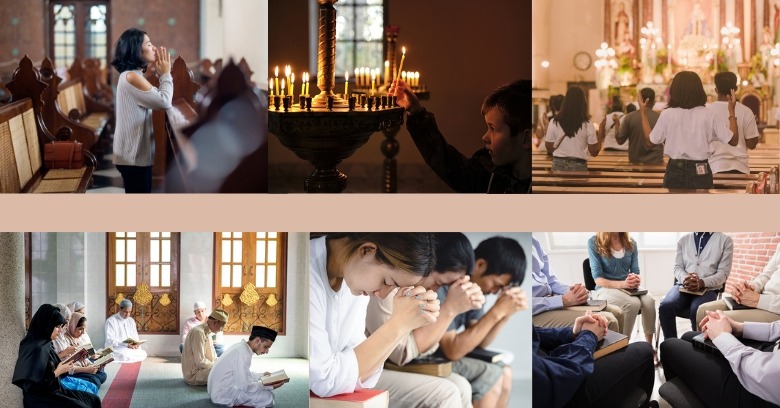
Helping Your Congregation Understand Places of Worship Insurance Providers Around Greater Bryan-College Station Area?
Service Insurance Group walks church leaders through the coverages that fit a congregation’s buildings, programs and people, one topic at a time.
Call 979-300-7345 to talk through what your congregation does during a typical week.
Why a Church Has Its Own Risk Profile: Many Activities Under One Roof
A church combines a large building that is empty much of the week with programs for children, youth, seniors and the community, volunteers who give their time freely and a calendar full of gatherings, and the way the parts fit together matters as much as each one. Policies written for general businesses do not always anticipate these activities, which keeps the terms matched to the ministry.
Protecting What the Congregation Has Built and Gathered – What Would Rebuilding Involve
Property forms respond to damage from events such as fire, wind, hail and theft, and the amount that applies depends on how the buildings and contents are valued, because ordinary valuation methods may not reflect what it would take to replace them. The age of a structure affects the options and the terms, and find out how values are set for older buildings.
The Valuation Question for Aging Buildings: Periodic Updates Keep It Honest
A property limit is only useful if it reflects what rebuilding would actually take, and construction costs change over time, so a figure set years ago may no longer be adequate, and note whether the form includes a feature that adjusts limits for inflation. Boards should understand whether such a condition applies, since a clear understanding helps everyone.
What General Liability Does for a Congregation: Events, Parking Lots and Playgrounds
If a guest slips on a wet stair, trips on a curb or has a car scratched in the lot, general liability is the form meant to respond for the congregation, and limits and exclusions determine how far the protection reaches. A form may handle events at the church differently from events elsewhere, which keeps the form in step with the ministry.
Liability Tied to the Care of Minors: Screening and Policies Matter
A separate form or an endorsement is commonly used to address abuse and molestation liability, and the limit available for it is often lower than the main liability limit, so screening, training and clear procedures for working with children matter greatly. The steps a church takes can influence the terms it is offered, since clarity protects everyone.
Volunteers and the People Who Serve: Are They Included in the Form
Greeters, teachers, drivers and kitchen helpers keep a congregation running, and the policy should say plainly whether these volunteers are treated as covered when they serve, which is a simple way to reduce uncertainty. The most sensitive jobs deserve the most careful attention, which keeps the picture current.
The Auto Side of Ministry – and a Common Gap
A church that owns a van or bus needs commercial auto coverage for it, and a church that uses members’ cars or rented vehicles faces a separate question about non-owned auto liability, and ask how the form treats a volunteer driving a personal car on the church’s business. Carrying many passengers raises the potential size of a demand, since a serious crash with several passengers can exceed a basic limit.
The Employee Side of a Congregation: What Churches With Staff Should Know
Workers’ compensation is the system that pays medical costs and a share of lost wages when an employee is hurt on the job, and it applies to paid staff such as secretaries, custodians and ministry employees, and some ministers are treated differently from other employees under certain rules. Classification of staff is not always obvious, and ask an adviser how each is classified.
Protection for People Who Make the Decisions: Why Volunteer Leaders Care
Congregations of every size can face internal disputes, and the form is not limited to large churches, and read the exclusions for conduct and for disputes among members. Bylaws, written procedures and good minutes make decisions easier to explain, and ask whether the form responds to the church’s own governing structure.
Ministries That Serve Children Beyond Sundays: Telling the Whole Story
Operating an education ministry means the church is providing care as well as worship, and the policy needs to reflect that difference, so describe the hours, the ages served and the staffing. It is wise to learn which rules apply before opening a program, since the answers can influence the form.
Activities Away From the Property – and How to Check
Trips outside the country raise further questions, because some forms limit protection to certain places or require special arrangements, and travel medical protection may be a separate arrangement. Written procedures for supervision, transportation and emergencies help everyone, and tell the person explaining the policy about the plans.
Crime and Employee Dishonesty Coverage – Counting Money Together
Crime coverage, sometimes called fidelity or employee dishonesty coverage, is written for losses from theft of money and other property, including theft by those who hold positions of trust, so ask what the form requires and what it excludes. Separation of duties is the cornerstone of good practice, and adopt checks that fit the size of the congregation.
Take the Next Step for Local Churches
Contact the team at 979-300-7345 to ask how these ideas apply to your buildings and programs.
The Factors Behind the Price Without the Numbers – What Helps
Safeguards such as screening, training and written procedures influence how the congregation is viewed, as does its history of past problems, which show that the buildings are looked after. Cutting the wrong item to save money can be expensive later, so rank the exposures from most serious to least.
Meeting Wherever There Is Room – Reading the Agreement
Meeting in a rented space still invites visitors, children and events, so liability protection is as relevant to a storefront church as to a large one, so ask how a form treats items stored off site or moved between locations.
The Details That Separate One Church Program From Another: Limits, Exclusions and Endorsements
With Places of Worship Insurance Providers in front of the board, a side-by-side chart of the same items for every proposal makes the real differences visible, and ask for the complete documents instead of summaries. Some specialize in congregations and some serve many types of customers, and ask for plain explanations of anything unclear.
Changes That Should Prompt a Review: Update the List Each Year
Coverage that fit the church last year may no longer reflect its buildings, its programs and its people, so an annual review with the board is a healthy habit, and ask what each change does to the terms.
Congregations in Greater Bryan-College Station Area that want Places of Worship Insurance Providers explained in plain words can start the conversation with Service Insurance Group, so call 979-300-7345 to begin.