

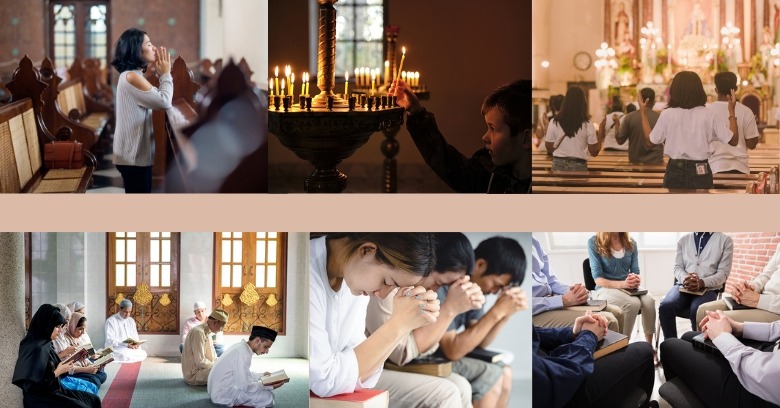
On a Church Board and Sorting Out Insurance For Churches Near Greater Bryan-College Station Area?
Service Insurance Group lays out what a church should understand about its property, its activities and its responsibilities, and what questions the board may want to ask first.
Phone 979-300-7345 to ask how these pieces apply to a church like yours.
The Particular Shape of Ministry Risk: Many Activities Under One Roof
From youth trips to food pantries to weekday classes, a congregation does much more than hold services, and each activity adds something to the picture, which is why coverage for a church is usually built from several parts. Policies written for general businesses do not always anticipate these activities, which keeps the terms matched to the ministry.
The Property Side of a Church Program – What Would Rebuilding Involve
Many congregations own several buildings of different ages, each of which may need its own look at value, so list these items individually and ask how the form treats them. Matching the form to an older building takes thought, and find out how values are set for older buildings.
How Much Would It Take to Rebuild: Why an Old Figure Can Mislead
Churches often hold buildings for decades, which makes it likely that the original limits have drifted away from current rebuilding costs, which can slow the drift between reviews. Some forms include a penalty when the amount carried falls short of a stated share of the value, so request an explanation in plain terms.
Protection When Someone Is Hurt at Church: Events, Parking Lots and Playgrounds
This coverage addresses third-party claims of injury or damage connected to the property and programs of the church, from the sanctuary to the playground, and make sure the wording matches the real calendar. Outdoor and off-site activities deserve particular attention, and ask whether any activity requires an endorsement.
A Topic No Congregation Can Ignore: A Separate Coverage Many Forms Limit
A separate form or an endorsement is commonly used to address abuse and molestation liability, and the limit available for it is often lower than the main liability limit, which many policy reviewers will ask to see. The steps a church takes can influence the terms it is offered, so gather whatever policies exist before asking for terms.
The Question of Who Counts as a Member of the Team – Different Things
Many liability forms define who counts as a covered person, and volunteers may or may not be named, so the definition deserves a close look, which is a simple way to reduce uncertainty. Someone who drives a van or works with children is in a different position from someone who stacks chairs, so list the roles and note which involve children, driving or heavy work.
Church Vans, Buses and Borrowed Vehicles: Drivers, Passengers and Policies
Vans and buses the church owns belong on a commercial auto form, while members’ cars and rented vehicles used for church trips raise a separate non-owned auto question, and ask how the form treats a volunteer driving a personal car on the church’s business. Texas sets a minimum, and the church should understand how that minimum compares with its needs, which is a practical step as well as a policy matter.
Protection for Paid Staff: Optional but Not Simple
A church with employees has the same questions about workplace injury as any employer, and the answers depend on how the staff are classified and what the law requires, and some ministers are treated differently from other employees under certain rules. Ministers, contractors and part-time helpers may fall into different categories, and ask an adviser how each is classified.
Boards, Elders and Governing Bodies: Disputes, Employment Matters and Governance
People who serve on a church board, council or eldership can face personal questions when someone disputes a decision about staff, property or finances, and management liability coverage is written for that situation, and read the exclusions for conduct and for disputes among members. Leadership benefits from habits that create a clear trail, and ask whether the form responds to the church’s own governing structure.
Preschools, Childcare and Weekday Programs: Telling the Whole Story
Running a preschool, daycare or after-school program means the church is providing care, not only worship, and many forms treat such operations as a separate and more closely examined exposure, so describe the hours, the ages served and the staffing. Failing to follow regulations can complicate coverage, which makes the file complete.
Activities Away From the Property – Planning Ahead
Youth events and service projects are among the most meaningful things a congregation does, and they also deserve careful planning of the protection behind them, because assumptions about coverage abroad are often wrong. Considering what could go wrong is part of planning, and review the plan with the church leadership.
Money, Theft and Trust – and What Fills It
Embezzlement is more common in small organizations than most people realize, partly because trust substitutes for controls, so ask what the form requires and what it excludes. Written procedures make the process routine, which supports the review of any policy.
Ready to Talk Through Your Congregation’s Needs for Local Churches
Call 979-300-7345 and start with the ministry that concerns you most.
Understanding Why Terms Vary – What Helps
The terms a congregation is offered depend on factors such as the age and construction of its buildings, their size and location, the programs it runs, the number of people it serves and the steps it takes to manage risk, because upgrades to roofs, wiring and alarms may be considered. Boards do best when they decide what must be protected first, so rank the exposures from most serious to least.
Fewer Assets, Different Questions: What Changes When You Rent
A congregation that rents a hall, shares a building or meets in a school does not carry the same property exposure as one that owns a sanctuary, but it still faces liability, equipment and personal property questions, which helps the form meet the landlord’s requirements.
Looking Beyond the Name on the Policy: Misconduct, Vehicles and Volunteers
Put identical questions to each provider about Insurance For Churches, covering property valuation, liability limits, misconduct sublimits, vehicles and the treatment of volunteers, because the form that looks lowest may leave the largest gaps. Some specialize in congregations and some serve many types of customers, which is better than a rushed decision.
Changes That Should Prompt a Review: New Staff, New Buildings, New Ministries
A congregation changes as it grows, adding a youth program, buying a van, building an addition or hiring staff, and each of these changes can leave an older policy behind, and put the review on the board’s calendar each year.
If you are working through Insurance For Churches in Greater Bryan-College Station Area, Service Insurance Group can explain how a congregation’s property, liability, volunteers and vehicles fit together and what questions to ask at each point, and the line is 979-300-7345.